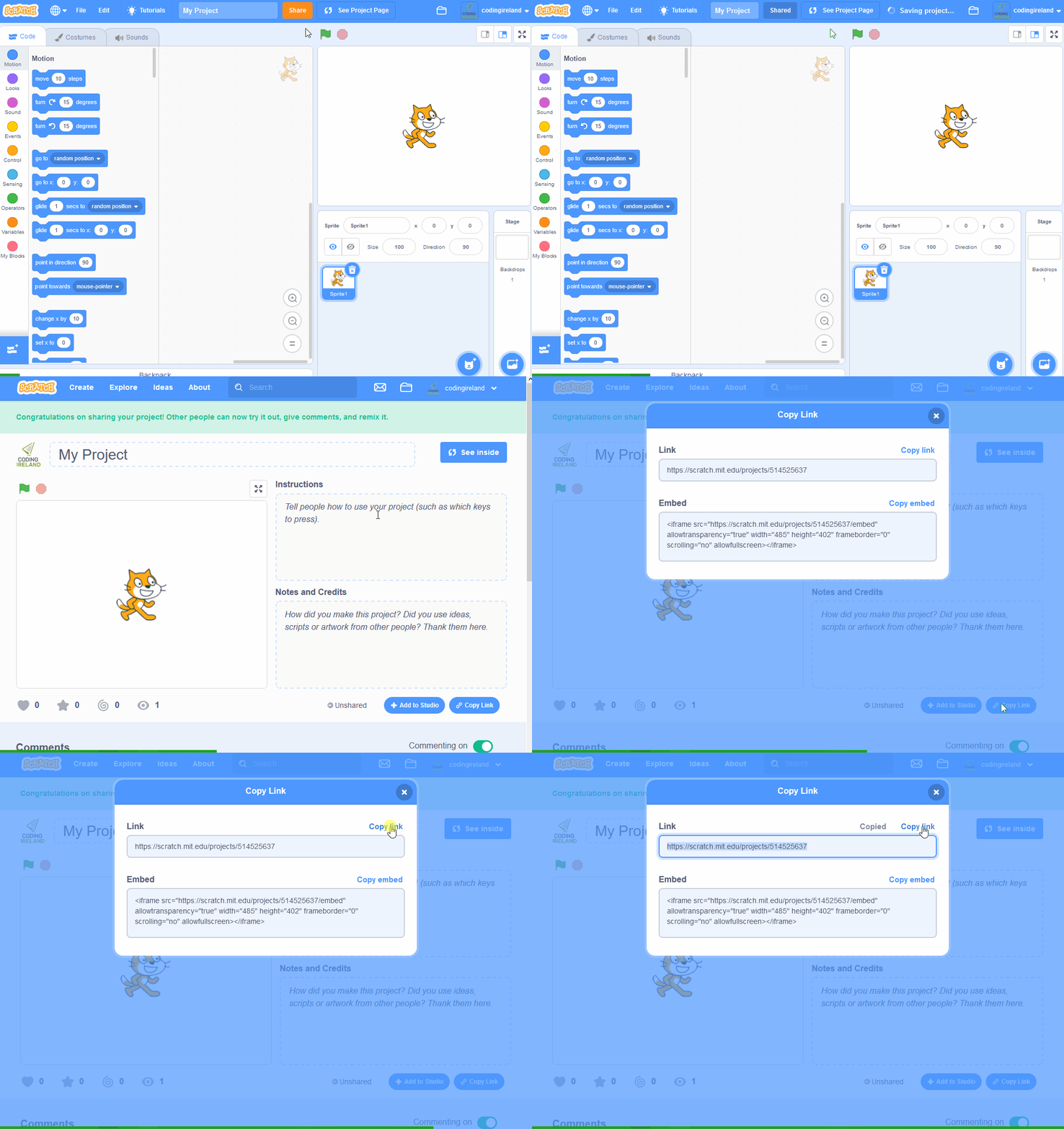
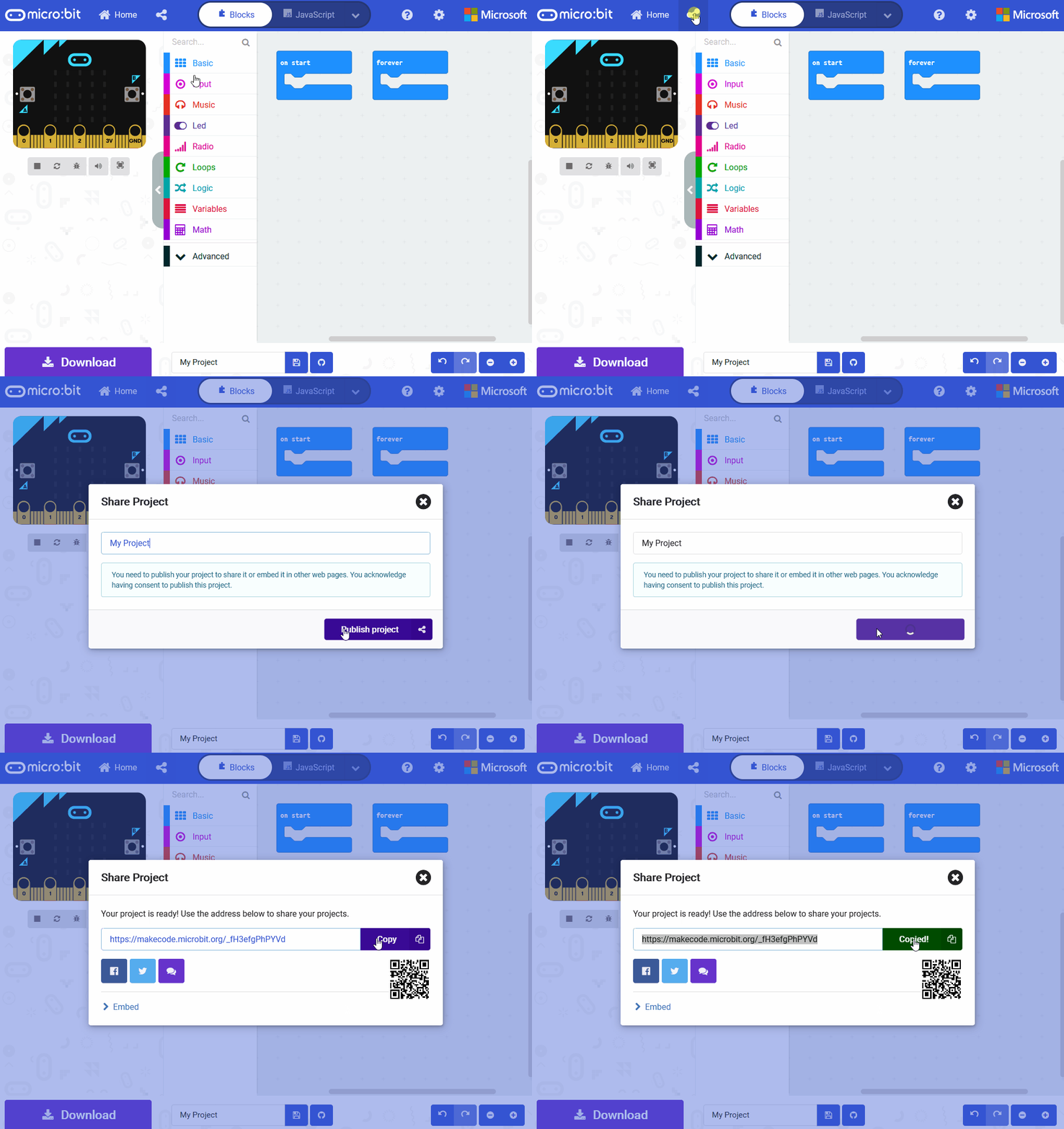
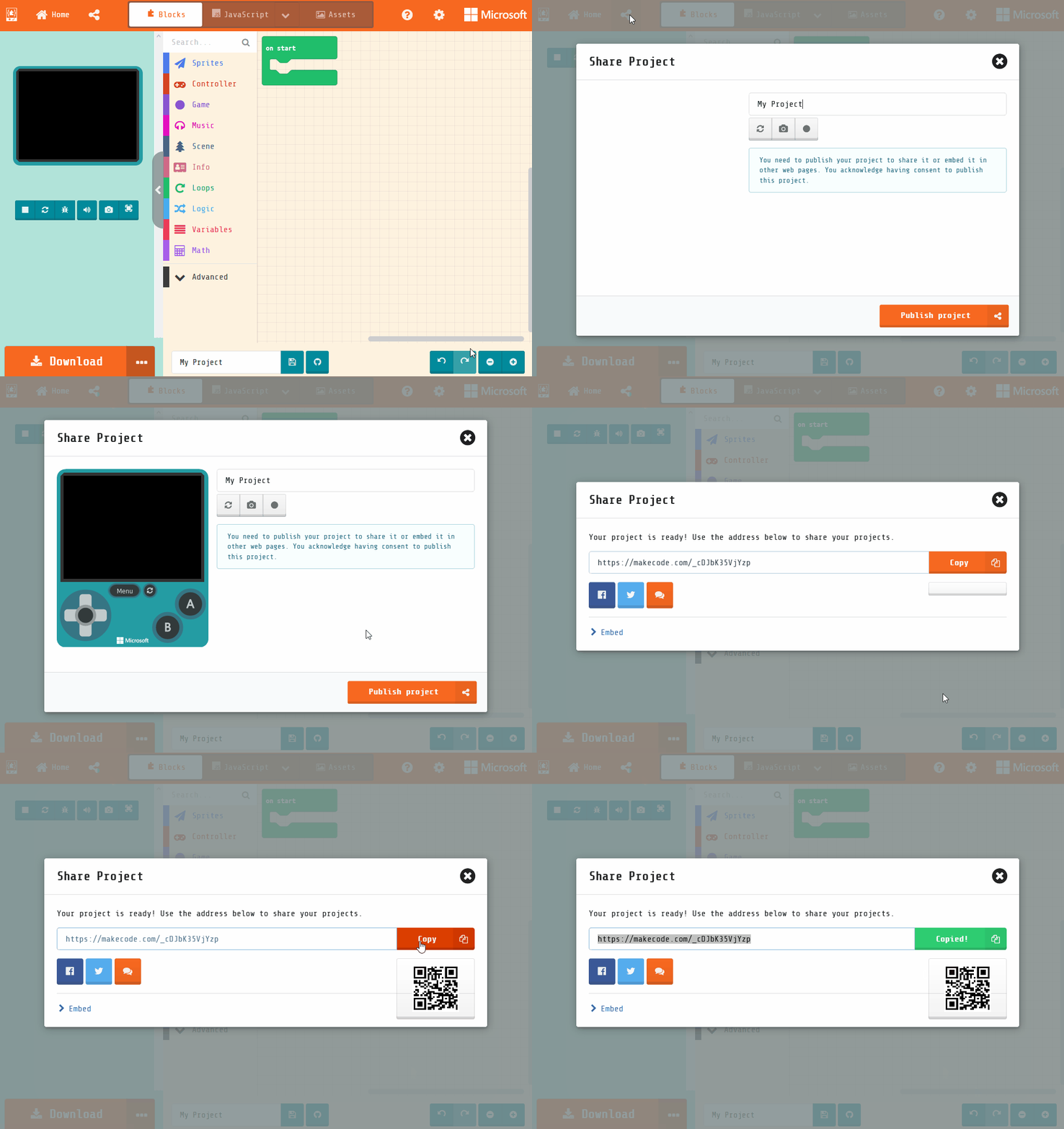
 Chromebooks, laptops, and PCs are crucial tools for coding and digital skills education. Chromebooks are ideal for web-based applications and collaborative projects, while laptops and PCs support a wider range of programming environments and software for more intensive tasks like software development and data analysis.
Evaluation and Iteration
In this lesson, you will evaluate your final artefact against the project brief, reflecting on its strengths, weaknesses, and effectiveness for forest management. Suggest and justify two to three improvements, then write a 300-word evaluation section. Add it to your report website and update the word count to stay under 2500 words.