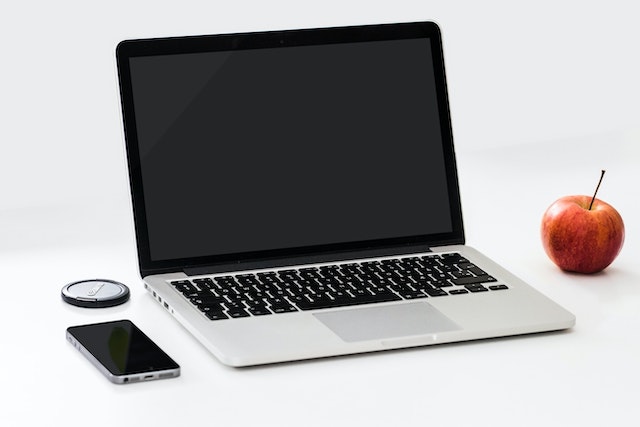
 Chromebooks, laptops, and PCs are crucial tools for coding and digital skills education. Chromebooks are ideal for web-based applications and collaborative projects, while laptops and PCs support a wider range of programming environments and software for more intensive tasks like software development and data analysis.
Building the Embedded System
In this lesson, you will build a functional embedded system for your forest-themed project. Connect at least one digital and one analogue input, configure an output, implement code for automatic data collection and process simulation (e.g., wildfire risk), and test thoroughly. By the end, your system will meet all 2026 brief requirements, with evidence saved for your report.