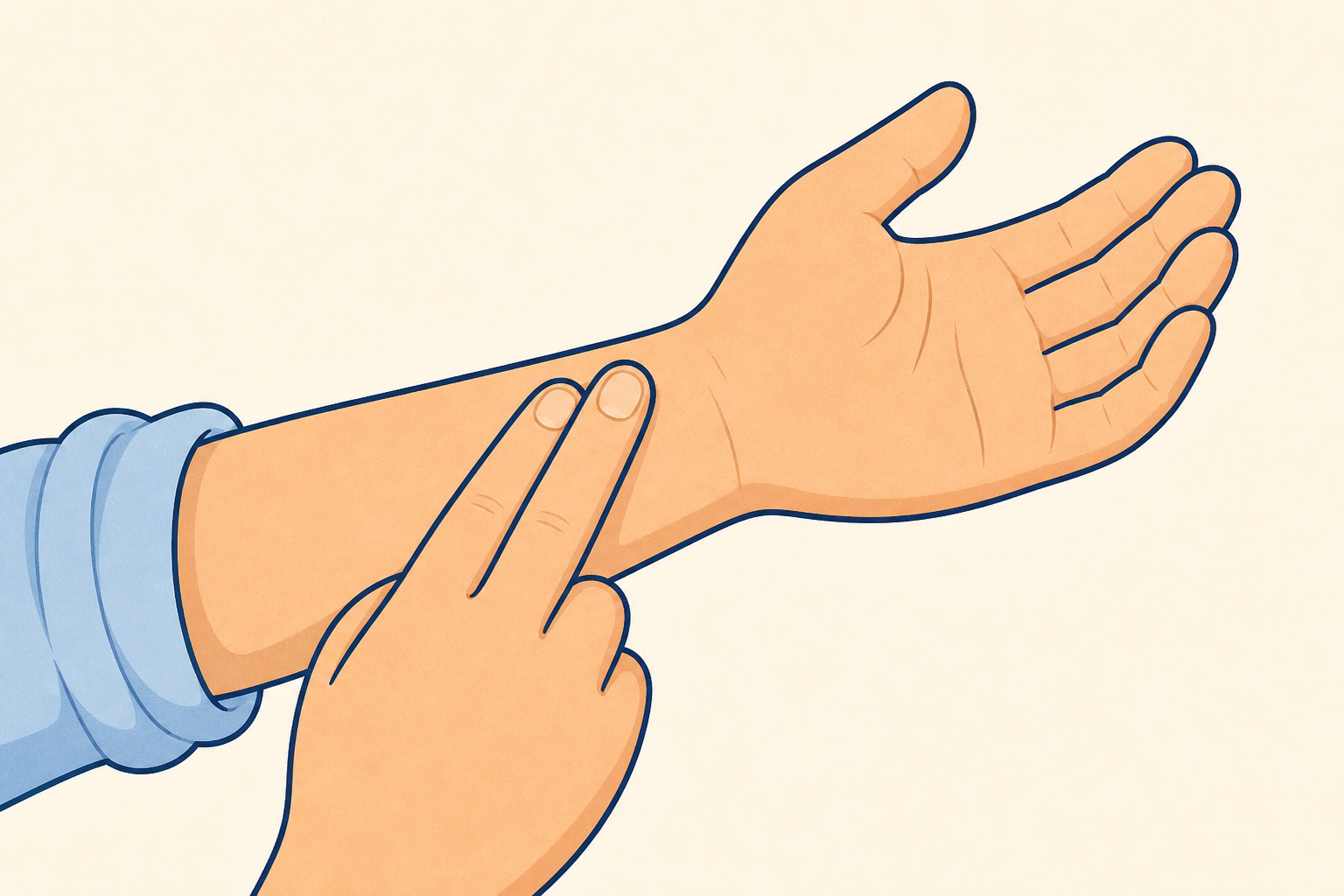
 Put two fingers gently on the inside of your wrist. Can you feel a tiny beat? What do you think is making that throb?
That little throb is your pulse: each beat is your heart pushing blood. Your heart is a strong muscle pump in your chest. When you have been still and calm, we call the count your resting pulse.
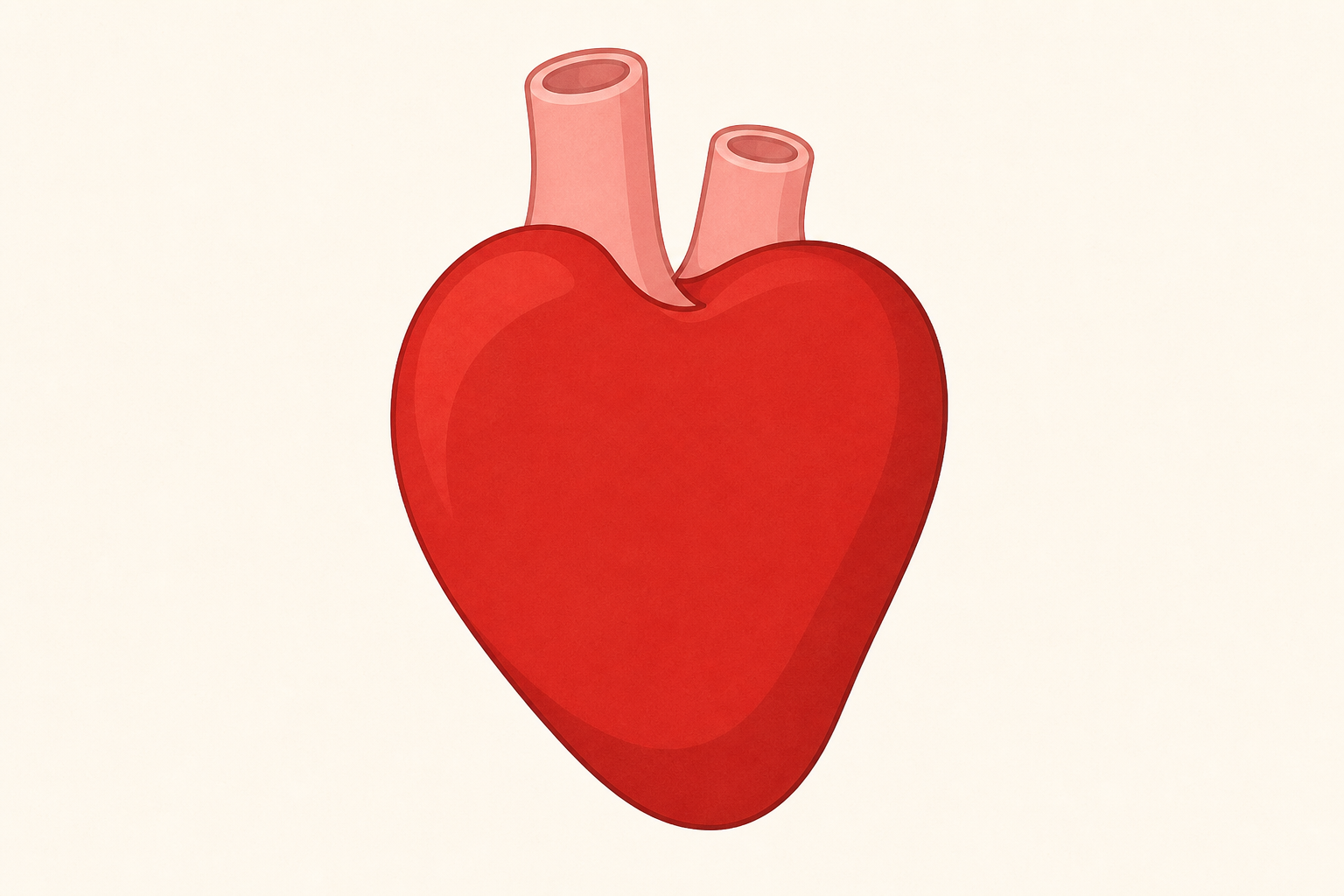 What do you think will happen to your pulse after you move hard for one minute?
Our question: what happens to your pulse after one minute of star-jumps?
Check you have your Investigation Journal page on your desk. Say your prediction out loud to a partner: will your count go up, go down, or stay about the same? Why do you think that?
Then jot it on your Investigation Journal page (up, down, or same, and a short because) before any counting starts.
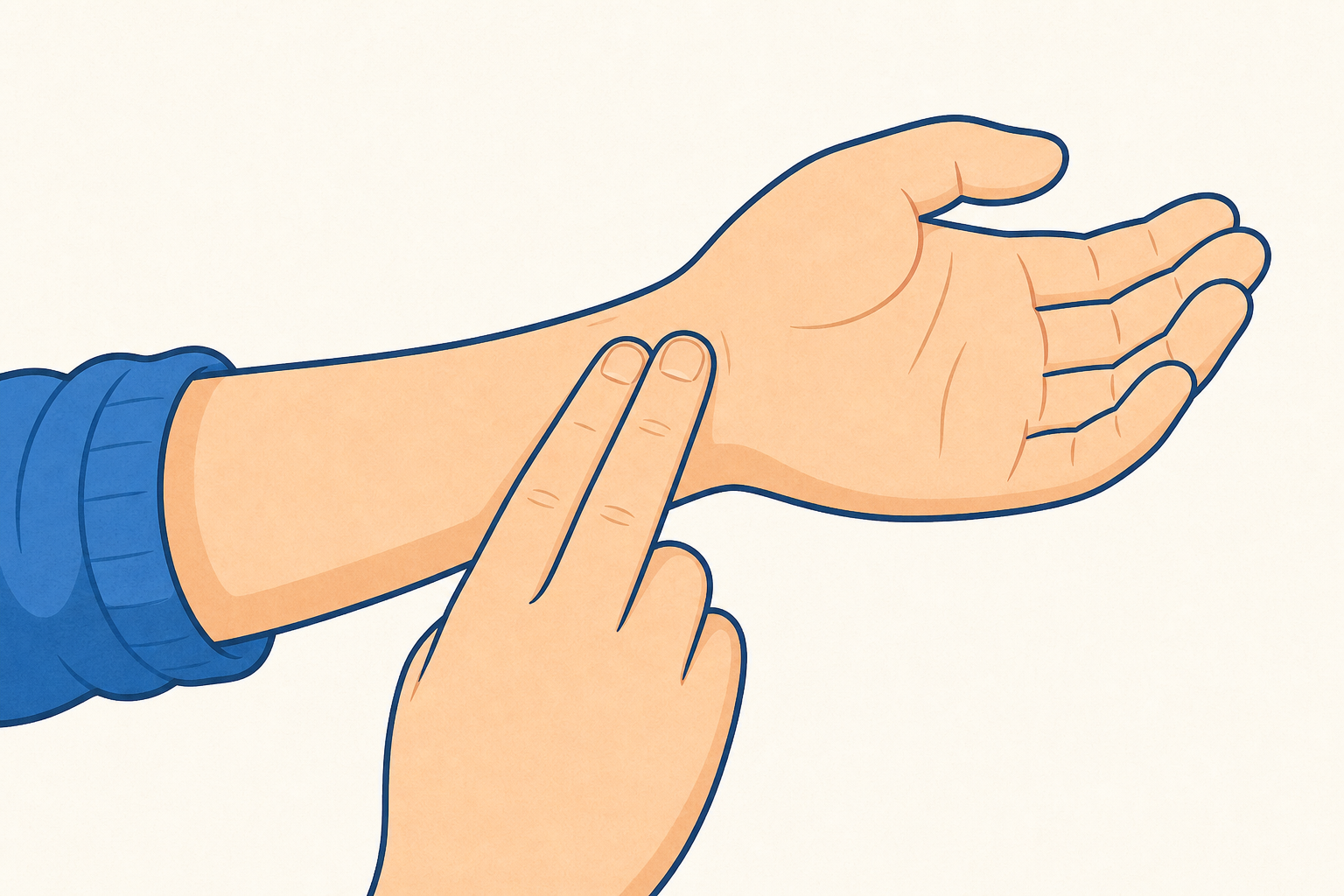 Sit still. Place two fingers on the inside of your wrist, just below the base of your thumb. When you feel the throb, keep your fingers there and stay quiet. We will count it next.
We work one part at a time. Listen for the part the teacher names, then do only that part.
When the teacher says resting count: sit still, find your pulse, and count every beat until the timer hits zero. Write that resting number on your Investigation Journal page.
When the teacher says moving: stand and do star-jumps or march on the spot until you are told to stop.
When the teacher says after-moving count: sit straight away, find your pulse again, count every beat until the timer hits zero, and write that after-moving number.
Unlock the full learning experience
You're previewing this lesson. Get full access to this lesson and hundreds more — each one ready to teach, with interactive activities, printable resources and pupil progress tracking built in.
This lesson is copyright of DigitalSkills.org 2017 - 2025. Unauthorised use, copying or distribution is not allowed.