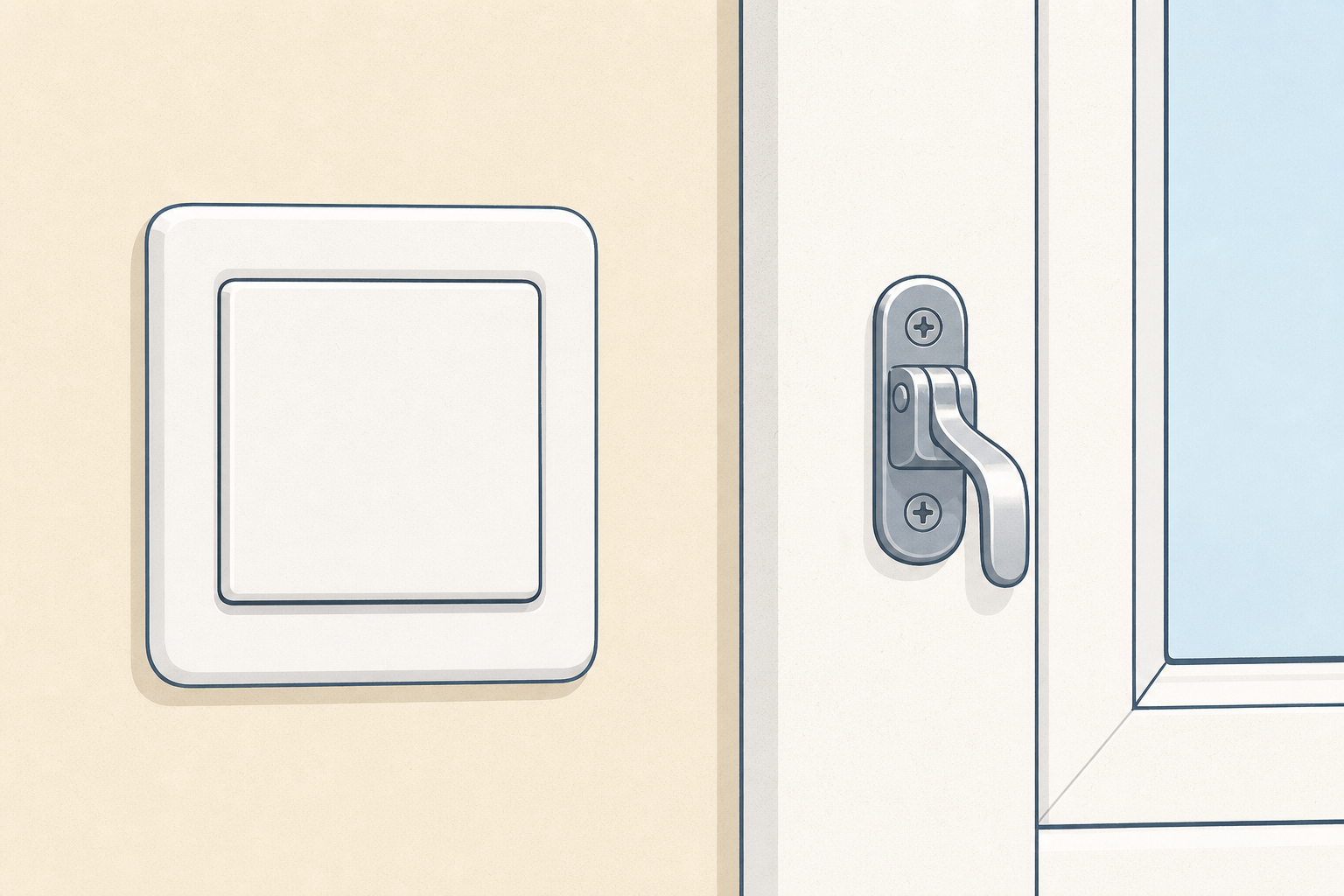
 Look around this room for a moment. Who figured out the light switch? Who designed the window catch? Who built the playground gate?
Today we put on STEM eyes. STEM is the long story of people working out how the world works and making things better. What can you already spot that someone once had to invent, notice carefully, or build?
STEM means people working out how the world works and making things better.
 Science is finding out by looking carefully, asking questions and testing ideas.
Technology is a tool or machine that helps us do a job.
Engineering is designing and building something that solves a real problem.
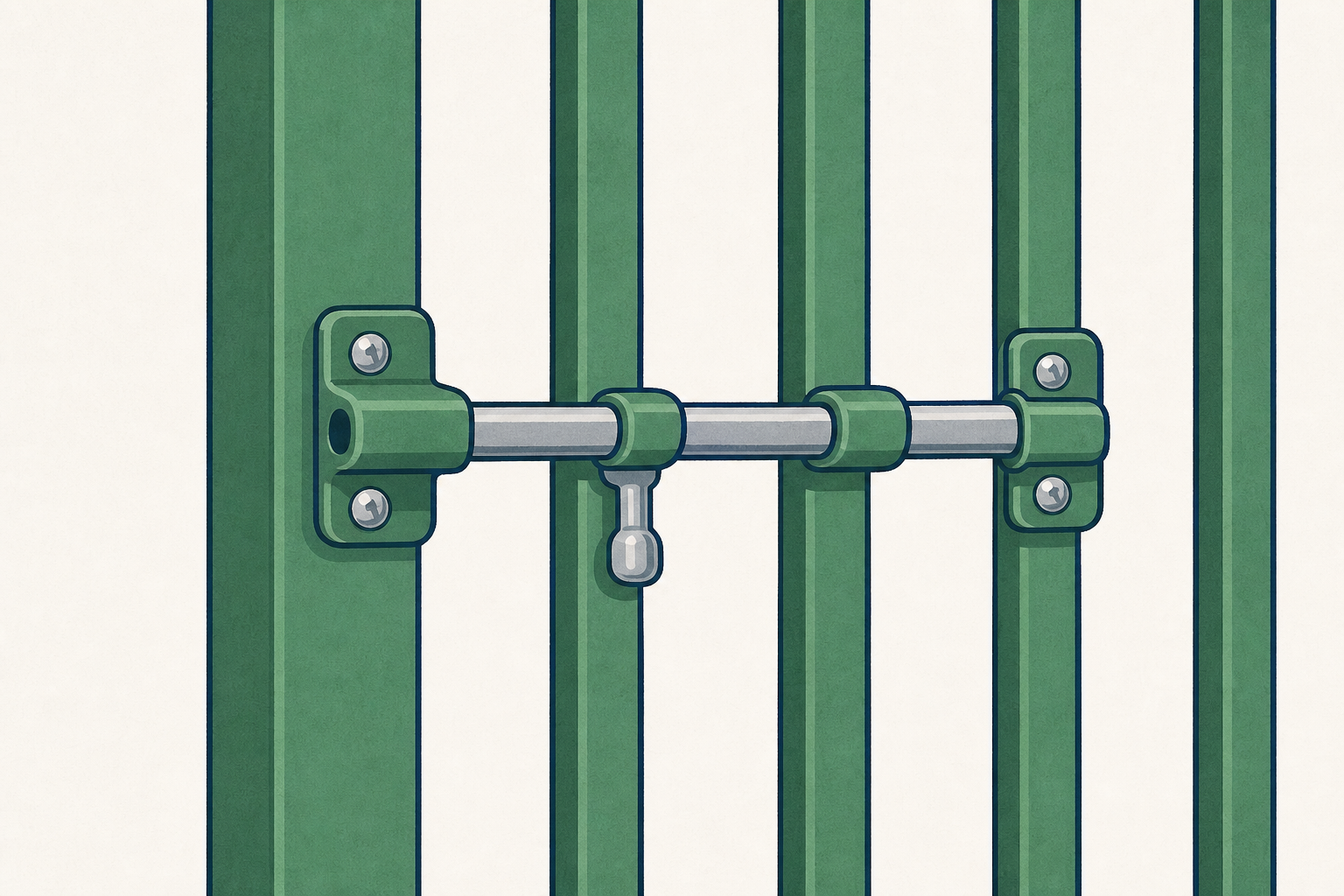
Is a school gate that stops the ball rolling onto the road science, technology, or engineering? Be ready to say why.
Every object on our route was once someone's problem to solve. We are going on a short STEM eyes walk of our classroom, corridor and yard. Look for things someone once had to figure out, invent or build, and for science finds too.
A science find helps us measure or notice something. It can also be a careful observation you really want to check.
With your pair, list at least four things on your clipboard (try for a mix across science, technology and engineering). For each one, jot a short name and one clue, like this: drain: carries rain away. Stay with the class and only go where your teacher leads.
Each find on your list is part of the long story of people figuring things out. Stay in your walk pair. Use the list on your clipboard and the three category cards on your table.
Sort each find into science, technology or engineering. If two piles both feel right, choose the best fit and be ready to say why. We will hear a few tricky ones together.
This is our first Investigation Journal page of the year. We will open it together first so everyone can see where the three groups go.
Write or draw at least one find under science, one under technology and one under engineering, and try for two in each group if you can. Beside any two items, write a short why you put it in that group (tool, helps us find out, or built to solve a problem).
If your pair is short of a science find, use one we spotted as a class on the walk (for example the weather chart, measuring jug or plant labels).
Unlock the full learning experience
You're previewing this lesson. Get full access to this lesson and hundreds more — each one ready to teach, with interactive activities, printable resources and pupil progress tracking built in.
This lesson is copyright of DigitalSkills.org 2017 - 2025. Unauthorised use, copying or distribution is not allowed.