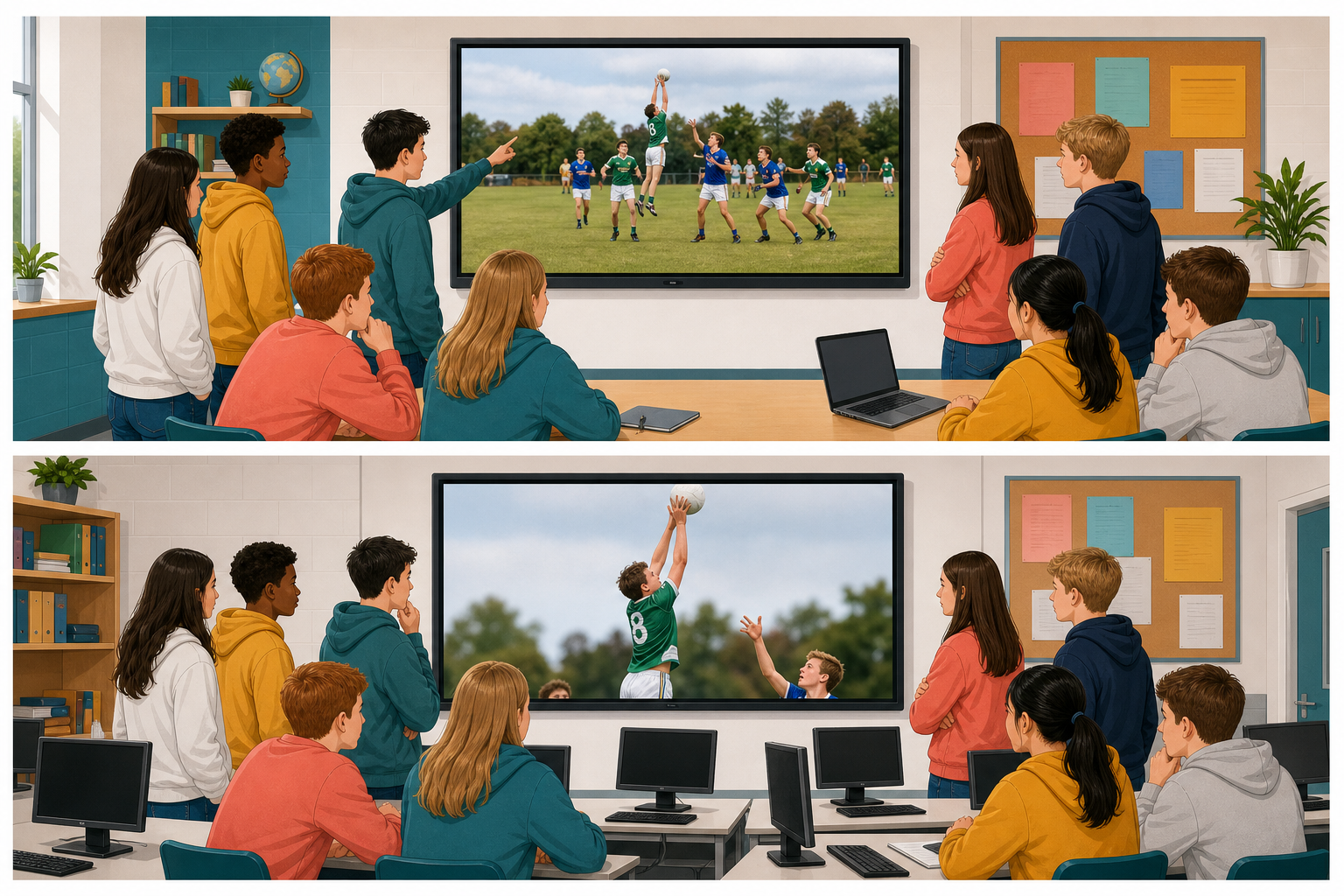
 You already know how to crop, filter and trim photos and clips. Today you will look at media made by other people and try to tell what was done to it. A capture is the photo, clip or recording as it was first taken.
| Your call | What it means |
|---|---|
| As taken | No good reason to think the capture was changed. |
| Fair editing | Changed for clarity, length, framing, quality or privacy, without inventing a false story. |
| Altered to mislead | Changed so people believe something untrue. |
You will decide using tells, which are clues you can see or hear.
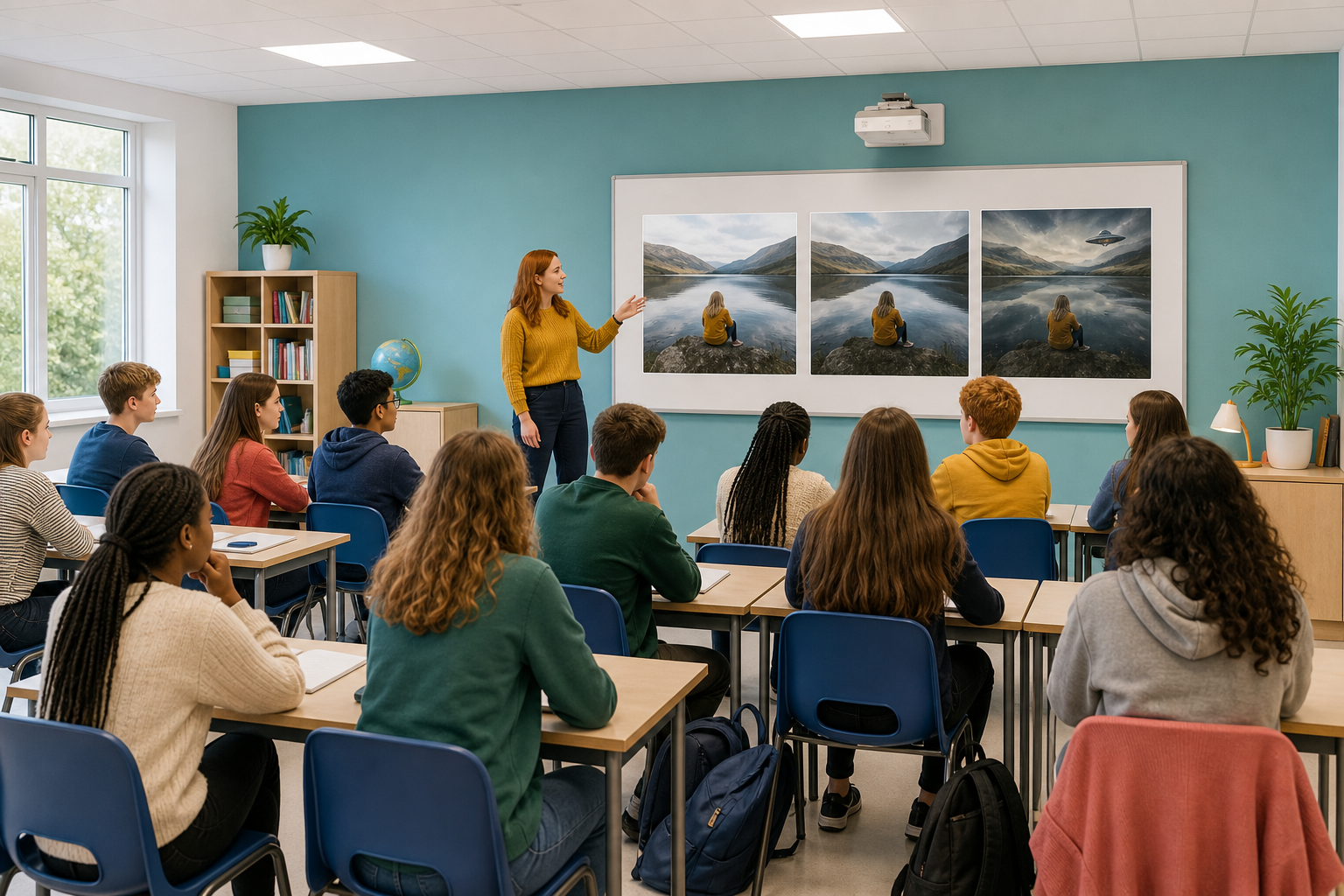 Not every change is a trick. A sports photographer who crops a photo so the goal fills the picture is making an ordinary edit. Manipulation means changing a photo, clip or recording. It becomes a problem when the change is hidden and makes you believe something untrue, such as a sentence cut from a speech so it means the opposite.
You will choose from three verdicts, or decisions:
- As taken: nothing important has been changed.
- Fair editing: changes make it clearer, shorter, better framed or more private, and they do not tell a false story.
- Altered to mislead: the change makes people believe something untrue.
As a class, look at and listen to all three items below. Then work through Item 1 together in the activity underneath. Talk out loud about what changed and whether that change tells a false story, agree on one verdict, and then reveal the reasoning. After that, everyone votes on all three items in the class poll on the next step.
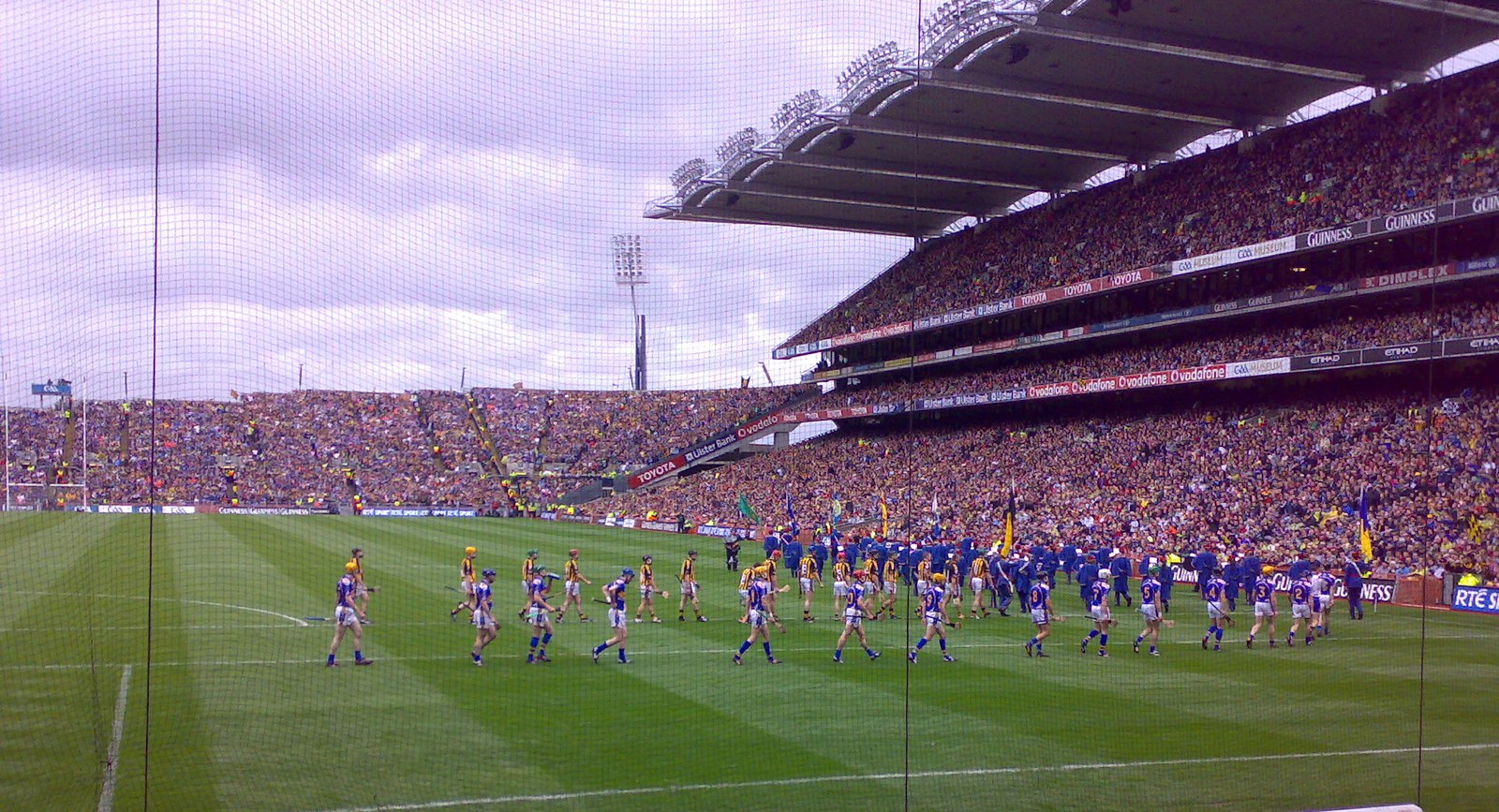
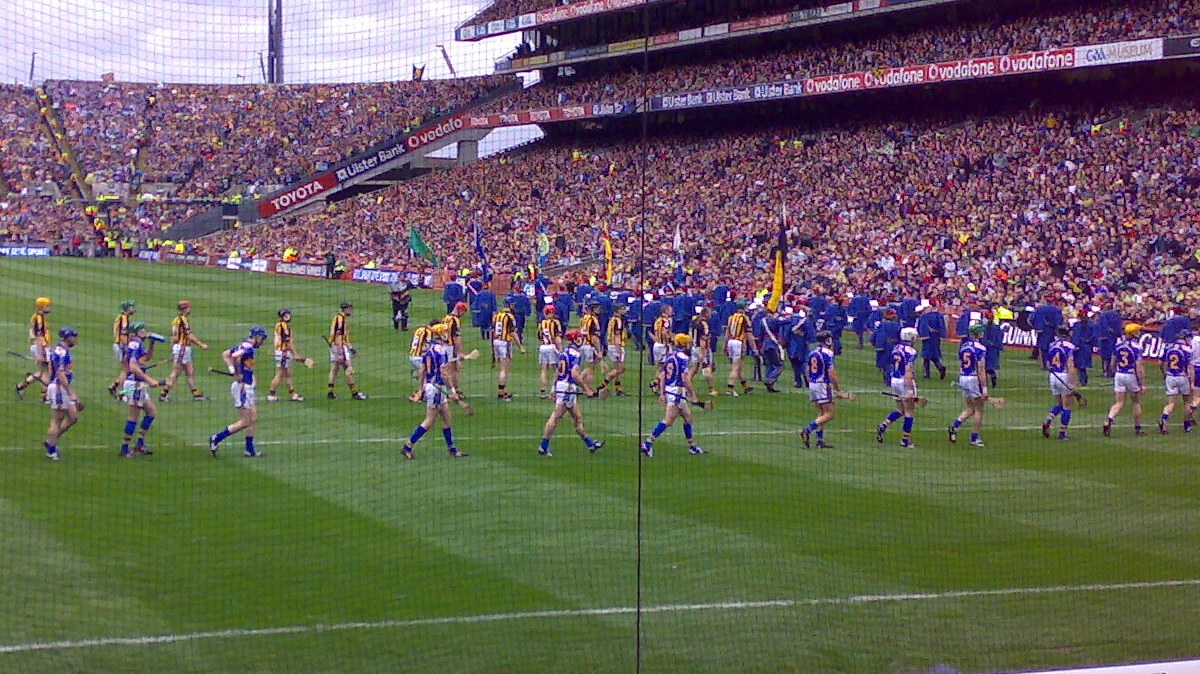
Item 1: the parade photo
“The teams parade before the final.”
| The photographer's original | The posted version |
|---|---|
 |  |
Item 2: the councillor clip
“Councillor on the youth club budget.” The post does not include the full, longer recording.
Item 3: the snow video
“Blizzard batters Dublin as people fight their way home.”
Leave the section under the video closed until your teacher opens it after the poll.
Only after the class has called all three: the originals
The councillor's full recording:
The snow video as it was filmed, at normal speed with its real sound:
The photos and the snow video are real. The captions, the posts and the councillor are made up for this lesson, and the councillor's voice is computer-generated.
As taken, fair edit, or altered?
Now everyone votes on every item on their own device. Round 1 is the item you just worked through together.
There is no score and no time limit. When the class has voted, the board shows how the class split, and then it shows the reasoning. After the discussion, your teacher can open the vote again to see if anyone has changed their mind.
- Read the item and make your choice.
- When the reasoning comes up, compare it with your own reason.
Being able to explain your choice matters more than getting it right, because the reasoning is what you are here to learn.
Class Poll
On your own or with a partner, judge these two items. Look at each picture before you read anything else, and then write three short lines about it. Under each photo, the table shows who posted it (the source) and the words that were posted with it (the caption).
| Item 1 | Item 2 |
|---|---|
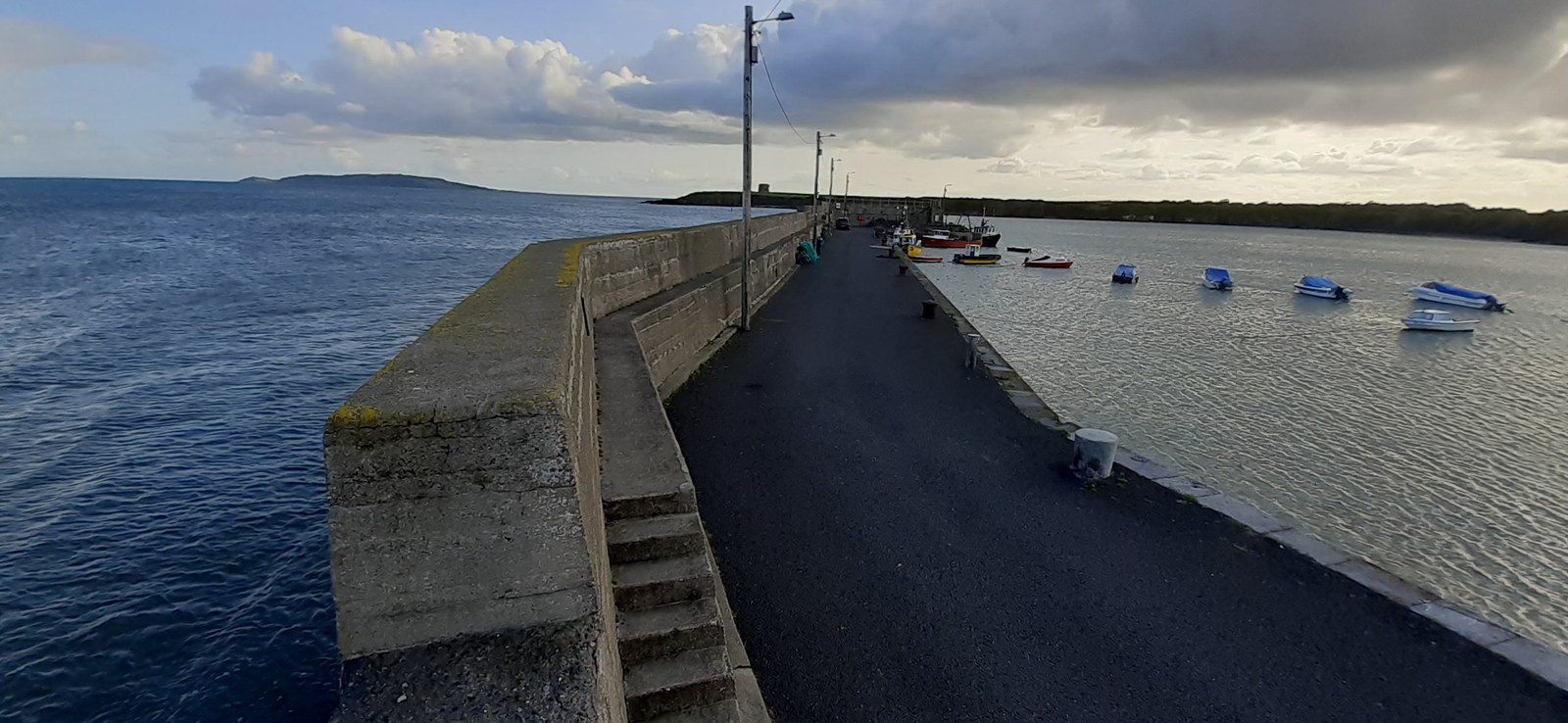 | 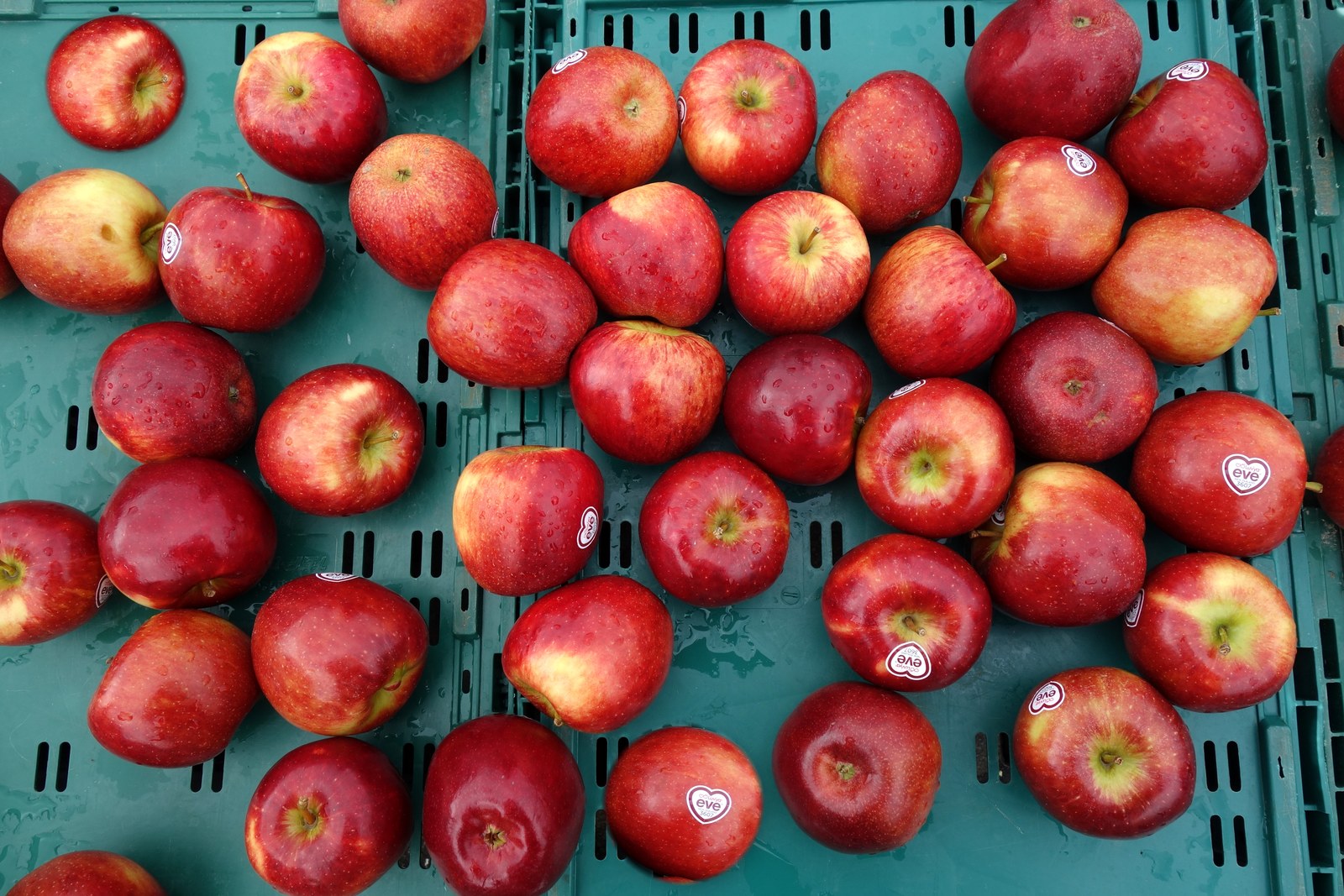 |
| Source: a local photographer, named in the post Caption: “Quiet morning at the pier.” | Source: shop’s own post Caption: “New batch in today. Crates full!” |
Click a photo to see it full size.
Verdict: as taken, fair editing, or altered to mislead.
What may have changed?
The one tell that decided it.
In a real photo, no two things are ever exactly the same. So if you find two things that match in every detail, look again at both of them. Also check that light and shadows fall the same way across the whole picture, and that every reflection matches the thing it reflects.
Before you finish, check that you have:
- given a verdict for both items
- named one clear tell for each item
- explained, for at least one item, why it is as taken or fair editing rather than a lie
Unlock the full learning experience
You're previewing this lesson. Get full access to this lesson and hundreds more — each one ready to teach, with interactive activities, printable resources and pupil progress tracking built in.
This lesson is copyright of DigitalSkills.org 2017 - 2025. Unauthorised use, copying or distribution is not allowed.