1 - Getting Started ~3 mins
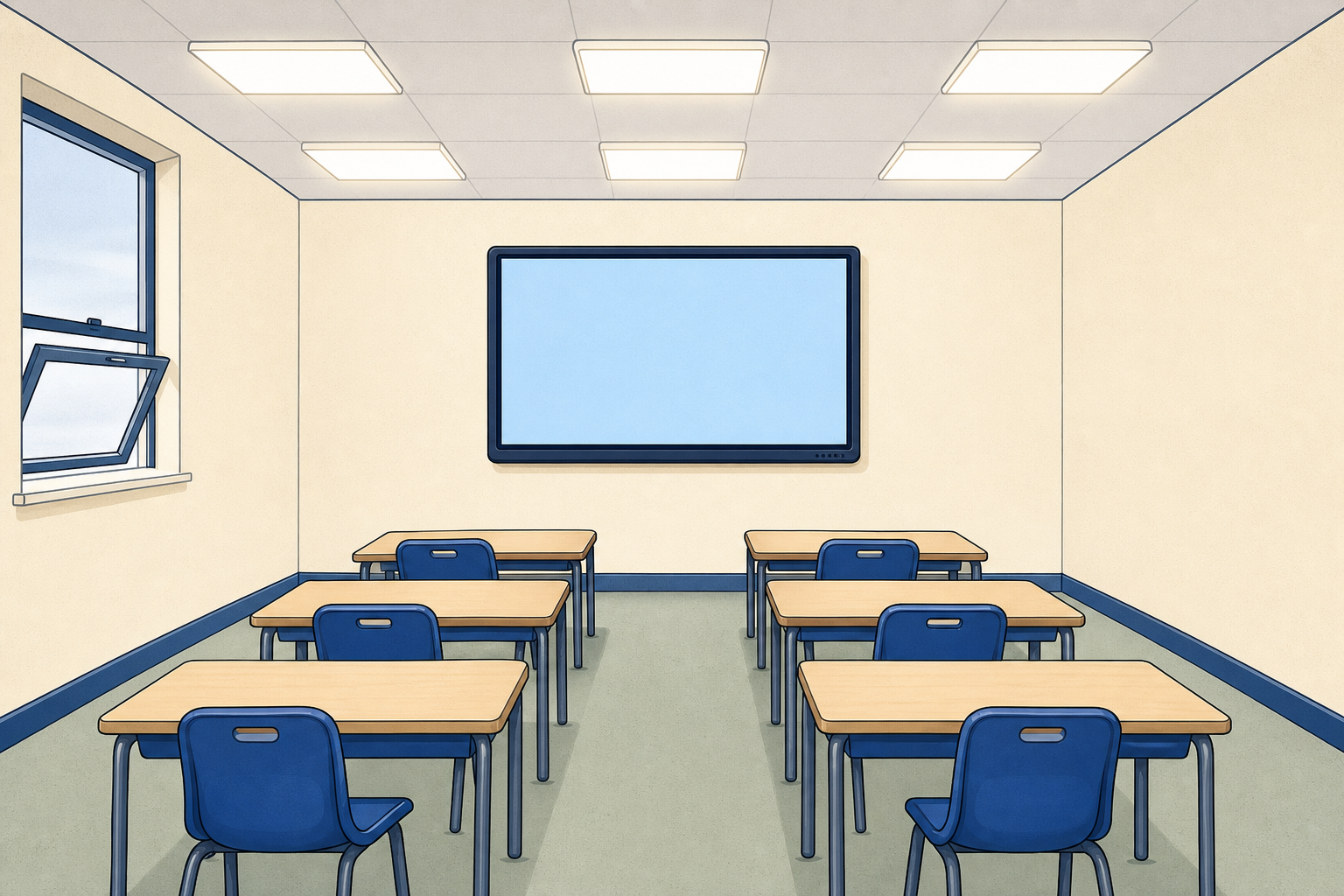 Look at this: the lights are on, but the room is empty. Is energy being used? Is anyone using it?
Where else in our school might energy be wasted right now?
2 - What Is Energy Waste? ~3 mins
Energy waste is using energy when nobody needs it, like lights left on in an empty room.
Saving energy means using only what we need, then switching things off when we finish, like turning off the board when we leave for PE.
Where do you think we will find energy waste on our school walk? Hands up your guess.
3 - Energy-waste Walk ~12 mins
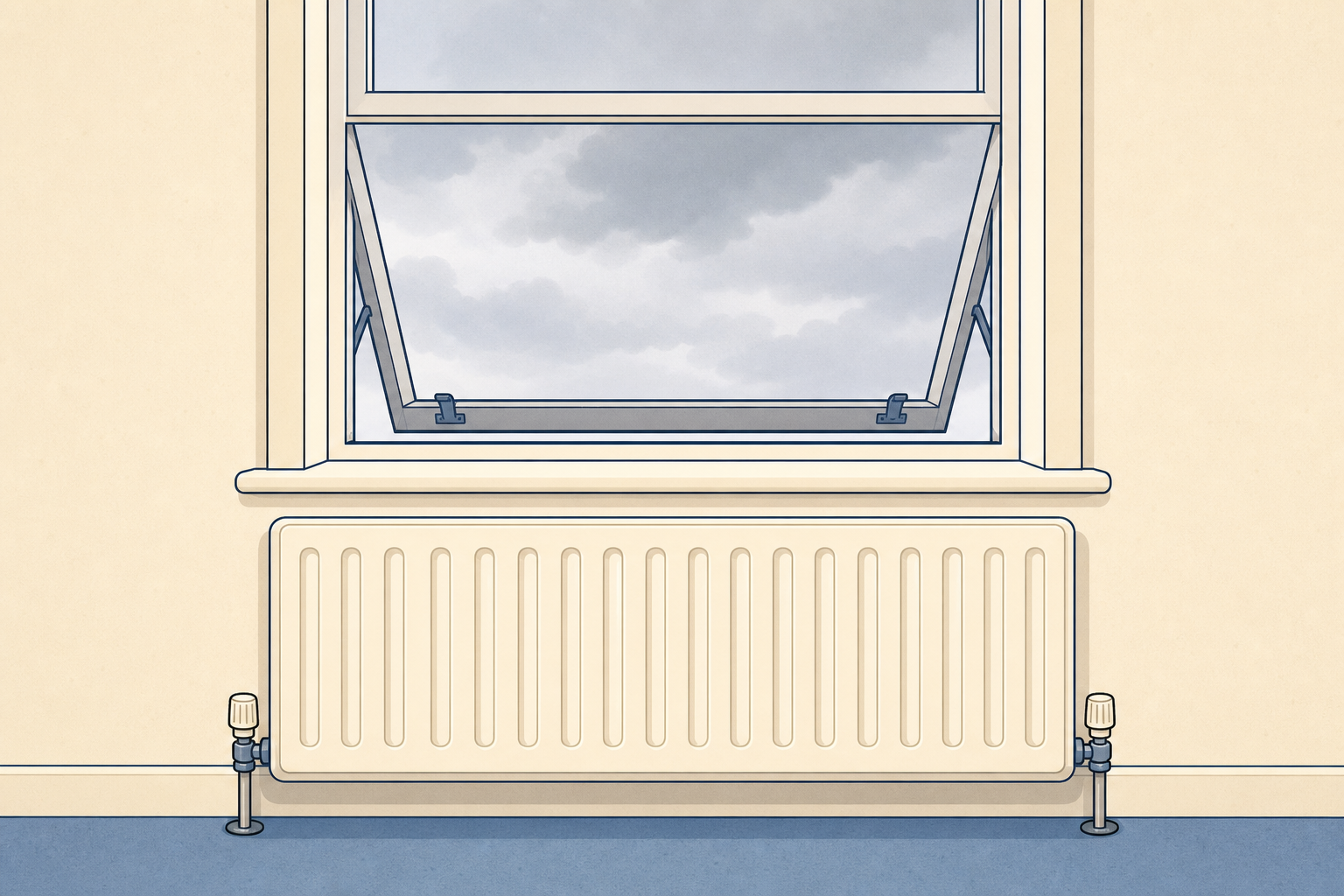 We are going on an energy-waste walk around our school. Stay with the class and look carefully.
Spot these three things: lights on in empty rooms, heaters on beside open windows or doors, and classroom boards or screens left on when nobody is using them.
Remember two finds to write about when we get back.
4 - Record Our Findings ~5 mins
Back in class, we name what we noticed together first. Hands up: what energy waste did you spot?
Now on your Investigation Journal page, record the energy waste you found and one way we could save energy. Draw or write clearly so someone else can understand your idea.
5 - Agree Our Class Rules ~5 mins
When lights or heat stay on and nobody needs them, our school uses more power than it needs. Using less helps look after the world we share.
Share one energy waste you found. Together we will choose a few clear energy-saving rules: simple promises our class will keep. Why does each rule help?
Unlock the full learning experience
You're previewing this lesson. Get full access to this lesson and hundreds more — each one ready to teach, with interactive activities, printable resources and pupil progress tracking built in.
This lesson is copyright of DigitalSkills.org 2017 - 2025. Unauthorised use, copying or distribution is not allowed.