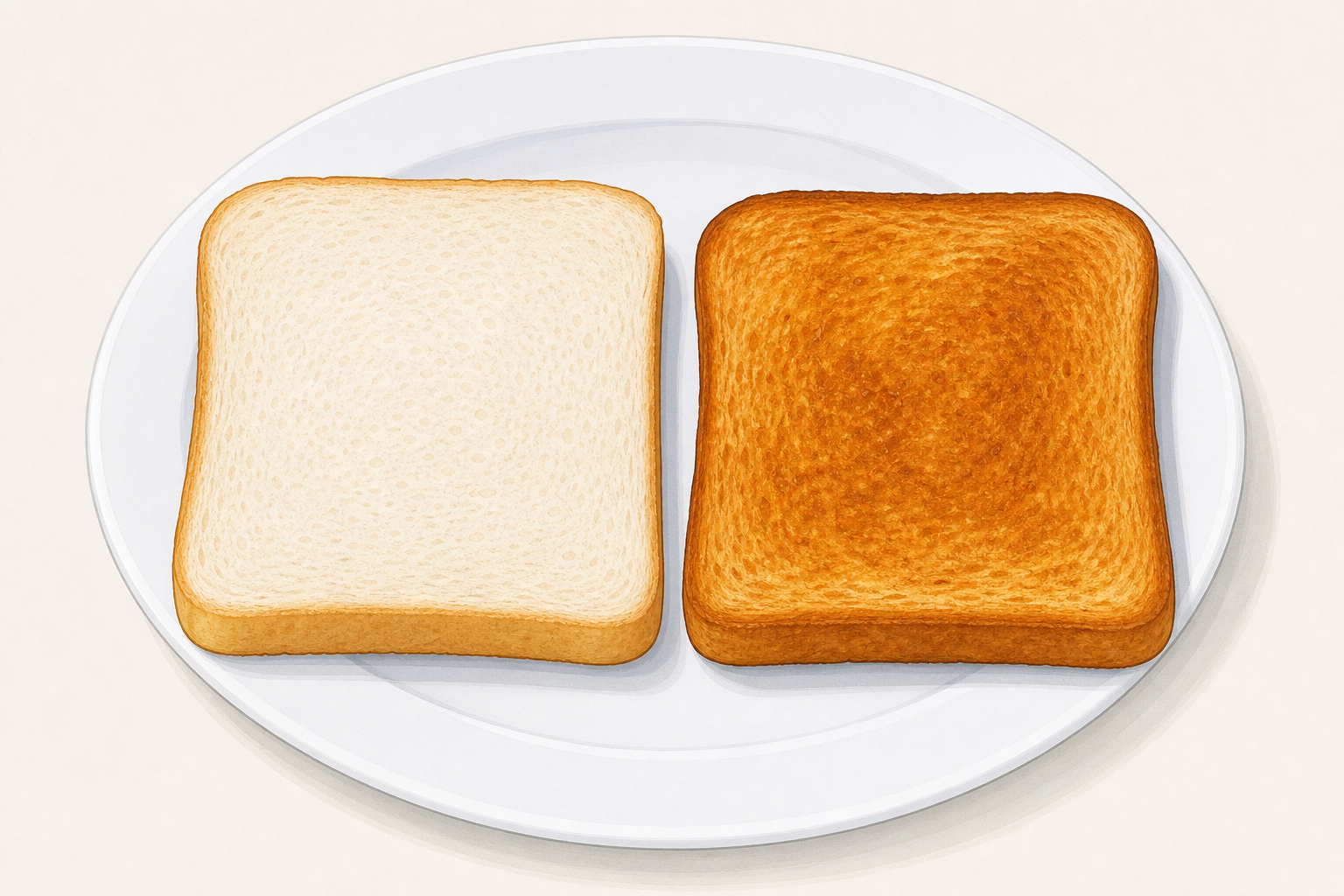
 Look at this piece of soft bread and this slice of toast. Could you turn the toast back into soft bread? Why or why not?
Today we will test four real changes and decide which ones we can undo, and which ones make something new.
 Here are the two words you will use all through today's tests. Learn them now and you will have them ready at every station.
Reversible: a change you can undo and get the same material back.
Irreversible: a change that makes something new and cannot be undone.
When ice melts into water and then freezes again, is that reversible or irreversible?
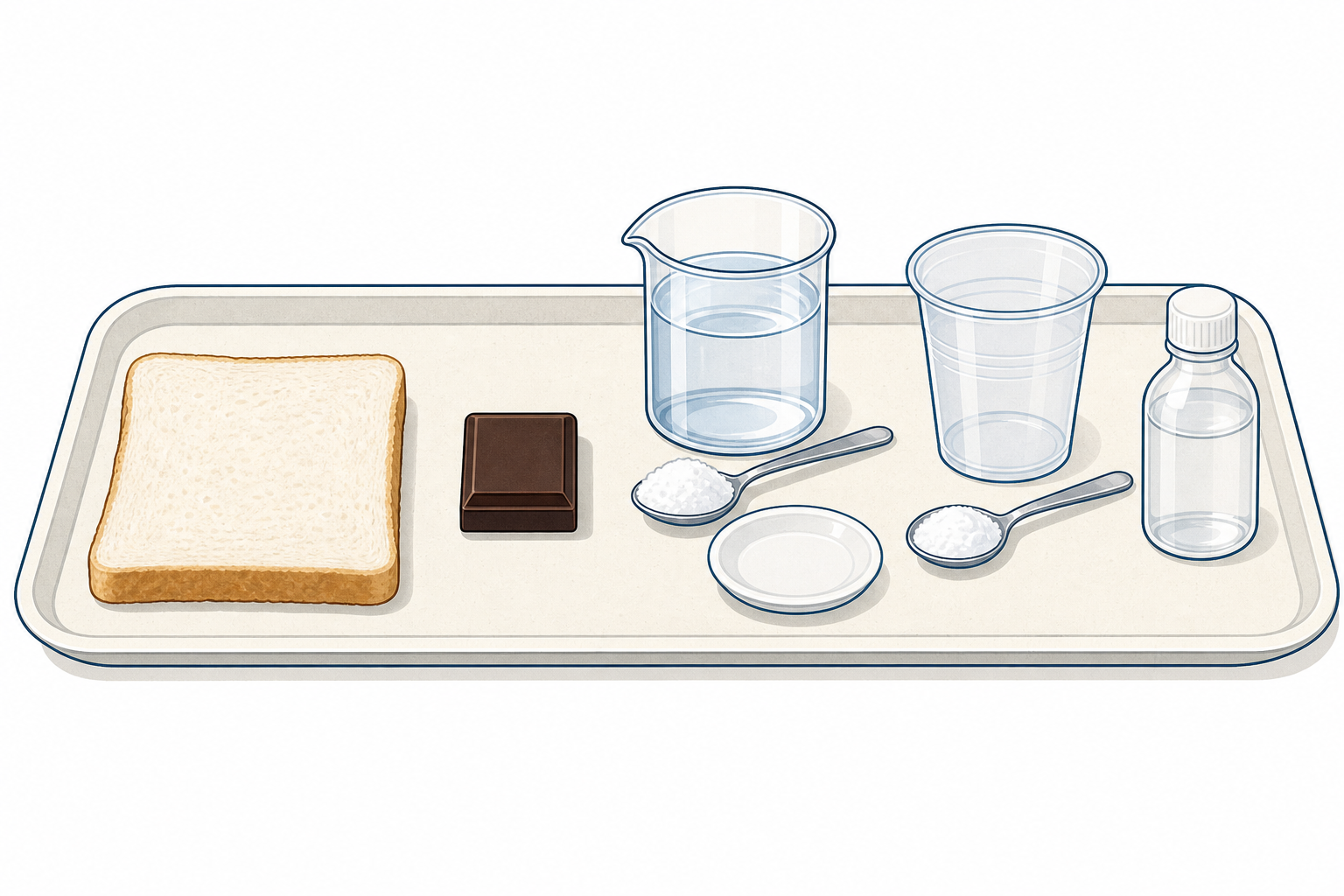 We will test four changes: melting chocolate then cooling it, dissolving salt then letting the water dry, mixing baking soda with vinegar, and toasting bread.
With your group, predict for each one: can we undo it, or does it make something new? Be ready to share one prediction and why. Think what you will look for: that will be your evidence.
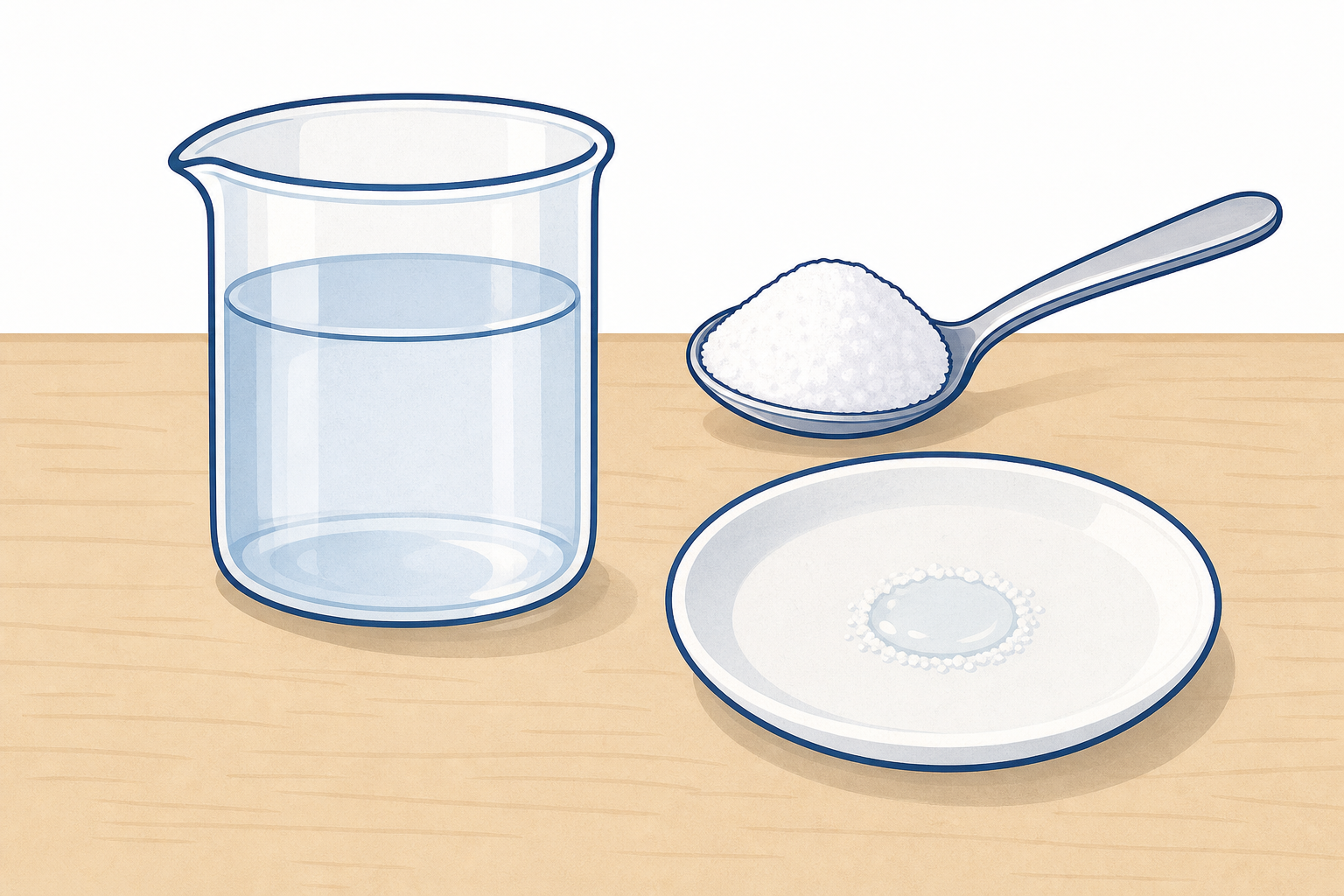
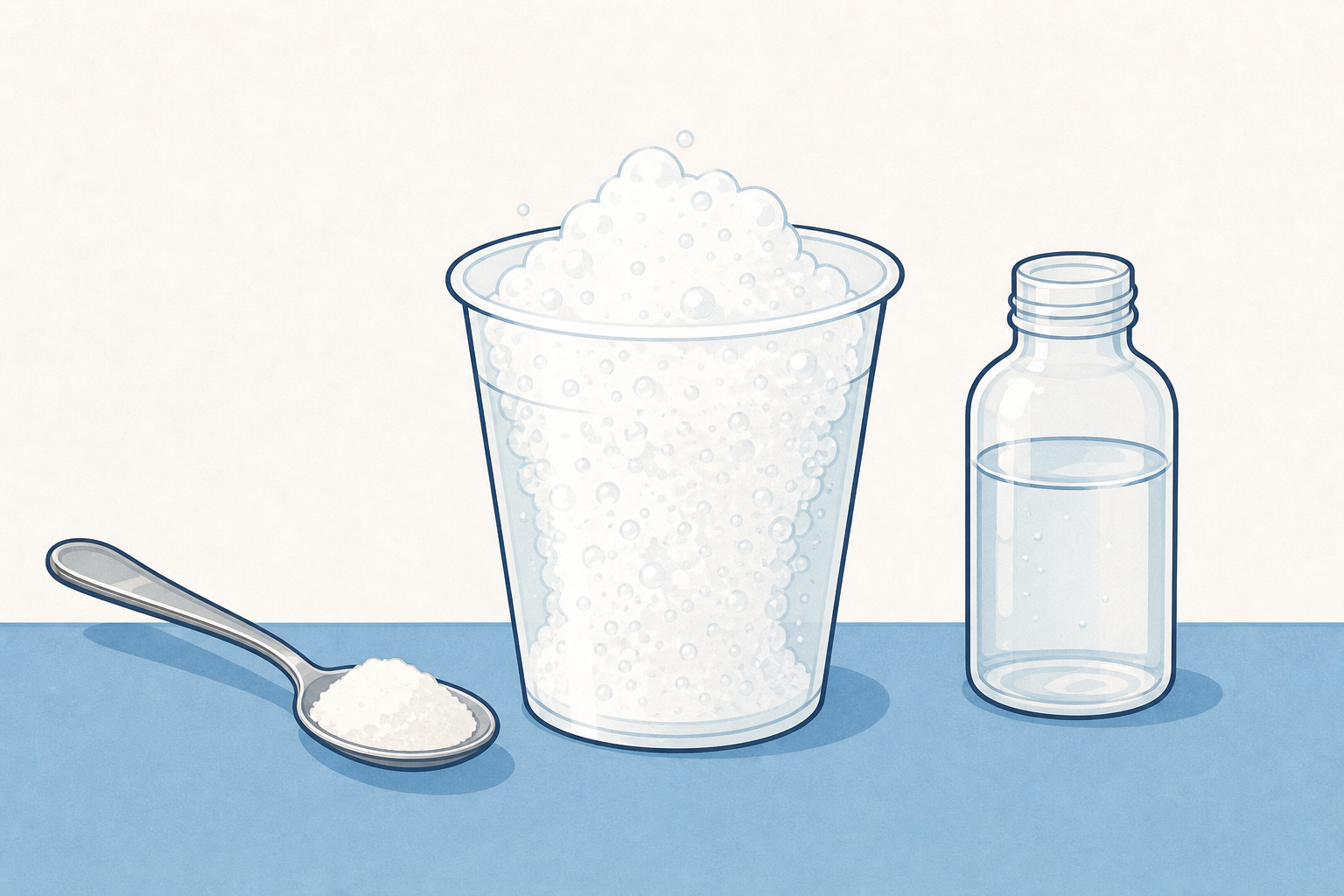 Watch the two changes your teacher makes at the front, then visit two change stations. At each one, carry out the change carefully, watch closely, and talk about whether you think you can undo it.
At the front: bread goes into the toaster, and a piece of chocolate softens on a warm lid and is moved onto a cold plate to firm up while you work. Station B: dissolve salt in water, start drying a drop, and compare with the labelled “salt came back” sample. Station C: mix baking soda with vinegar. We look at the chocolate again at the end.
No tasting. Keep vinegar mixes away from eyes and faces.
Open your Investigation Journal page and answer the three questions with what you saw at the stations: Which changes gave the same material back?, Which changes made something new? and What evidence did you use? Name all four changes across your answers.
Use evidence: what you saw, heard or felt. Keep “what we saw” separate from “what we think it means”.
Unlock the full learning experience
You're previewing this lesson. Get full access to this lesson and hundreds more — each one ready to teach, with interactive activities, printable resources and pupil progress tracking built in.
This lesson is copyright of DigitalSkills.org 2017 - 2025. Unauthorised use, copying or distribution is not allowed.