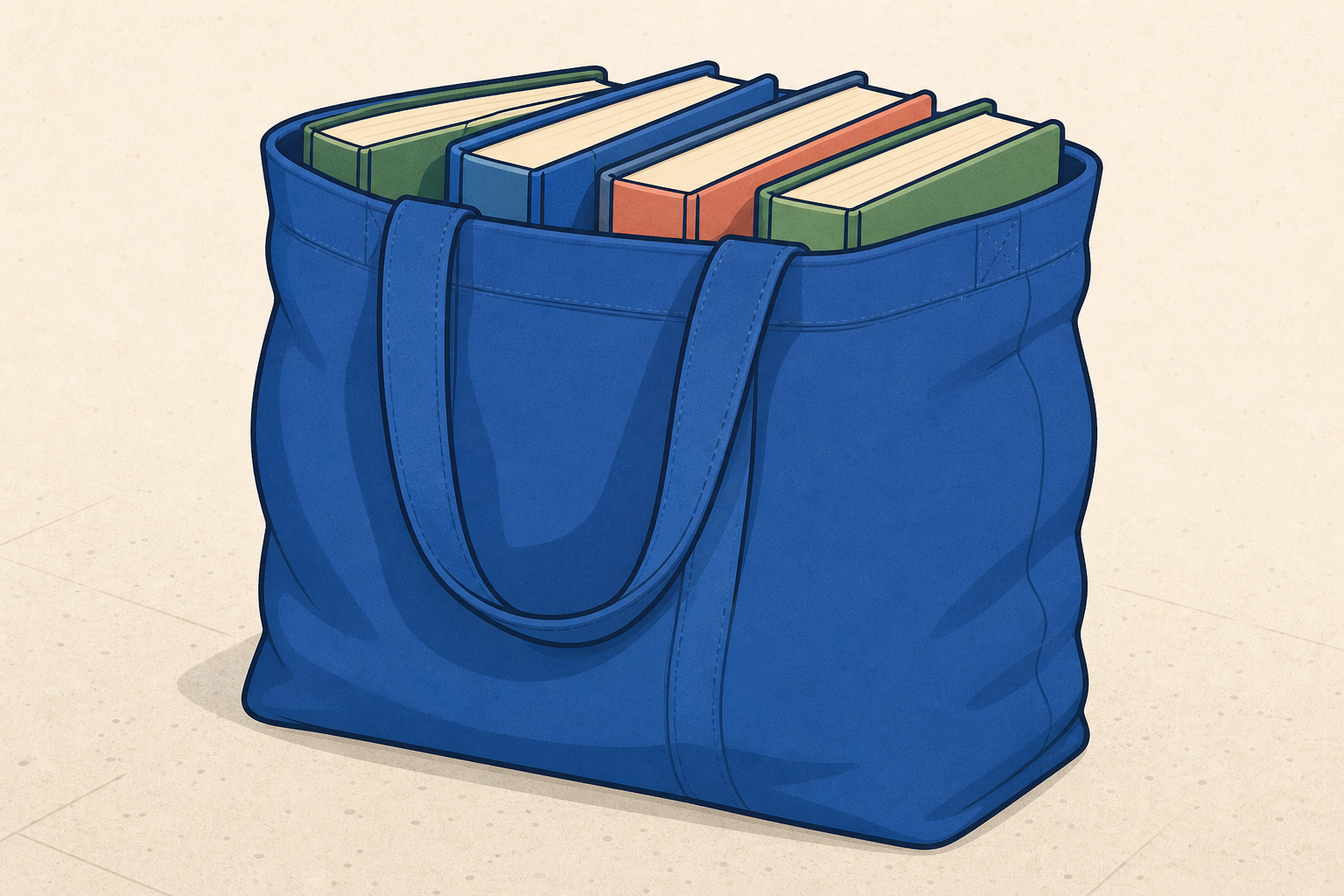
 Look at this heavy bag of books. Hands up: would you rather lift it straight up with your hands, or pull a rope that goes over a wheel above it? What might change about how you pull?
Today we find out how pulleys and gears change the way a force works.
Remember the bag of books. That bag is the load. The pull of your hand is the effort. The wheel a rope runs over to help you lift is a pulley.
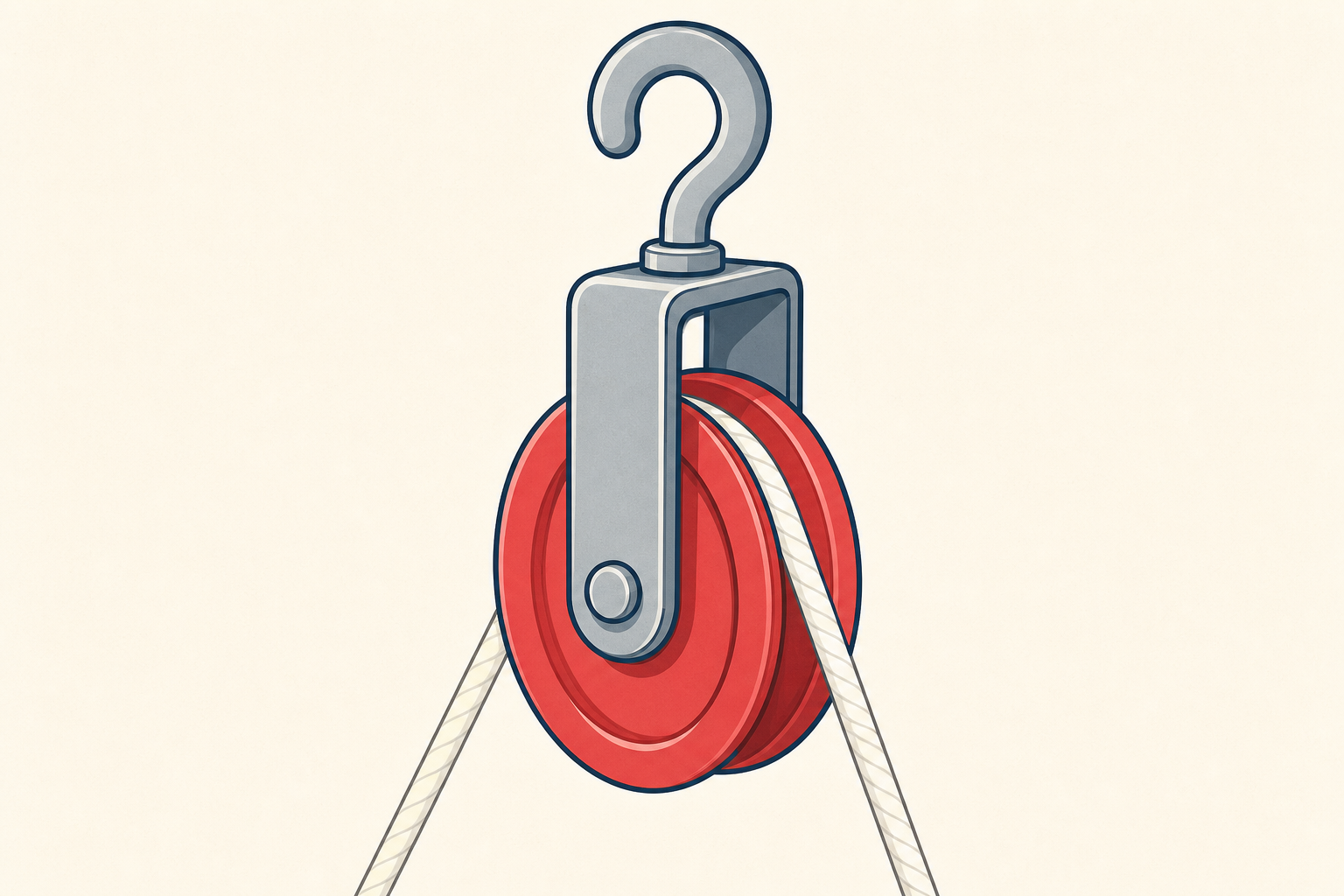 How might a single pulley change the direction of your pull?
Builders and bike makers use these same ideas so heavy things and spinning wheels can do useful jobs. We will meet gears after the pulley work.
In your group, lay a metre stick safely across two chair backs. Loop short hanging string over the middle of the stick and attach the pulley so the wheel hangs freely below. Then thread the long lift string over the groove and tie one end to the load.
Watch what happens to the bag when you pull down. Practise a gentle lift: one person pulls the free end of the string while the others watch the load rise. Keep fingers clear of the string and the hanging load.
Same bag both times: only the way you lift changes. Keep the load the same so the comparison is fair.
First, lift the load straight up with your hands (careful and slow). Then lift the same load using your pulley.
In your group, choose how you will judge which felt easier to control (for example: steadier lift, less wobble, or easier to stop halfway). Talk about what changed about the direction of your pull, and agree one clear sentence your group will stand by.
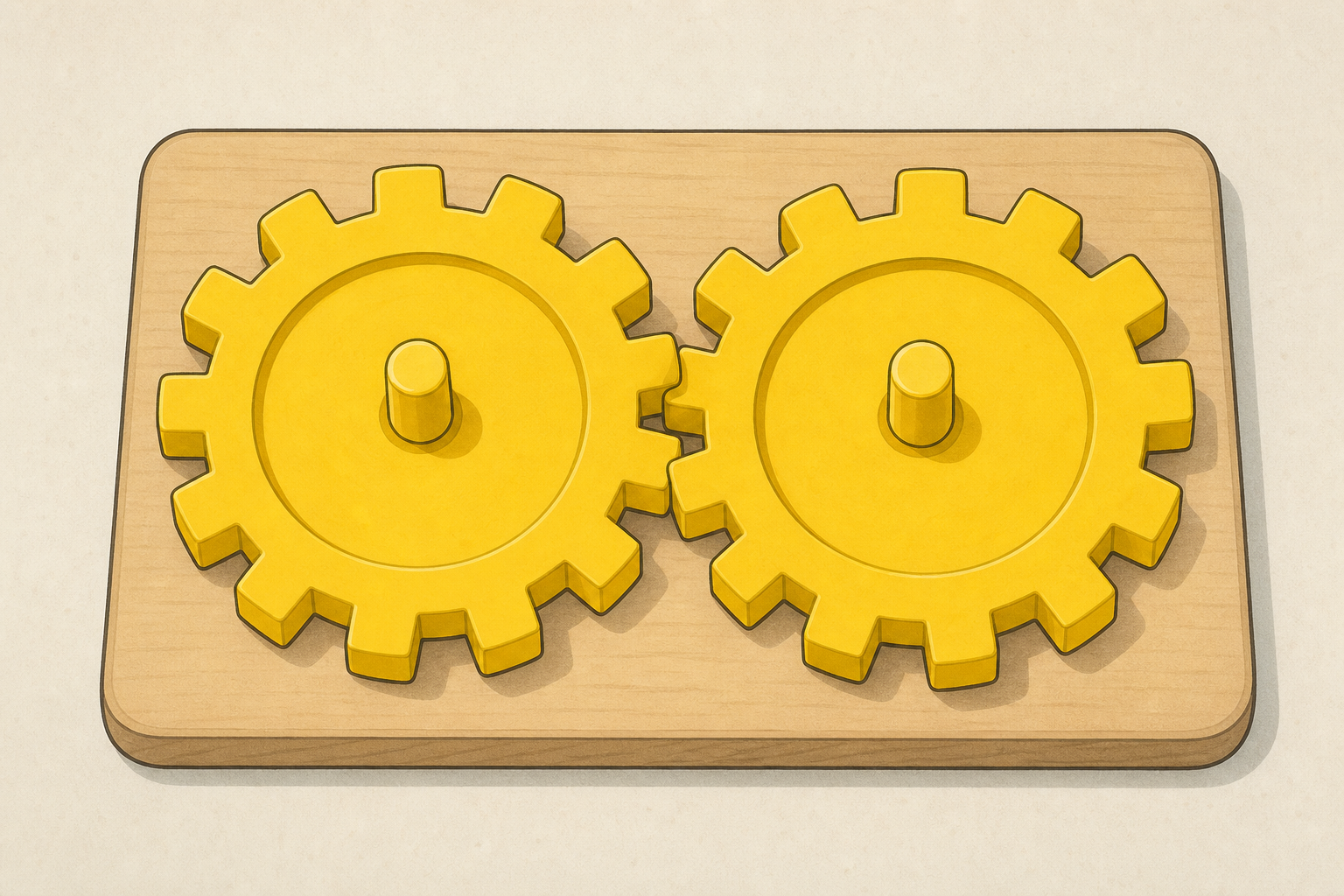 Pulleys change the direction of a pull. Gears are another way machines change how a force works: they can reverse direction or change speed, like the gears on a bicycle.
Put the pulley kit safely to one side. On your table, fit two gear wheels so their teeth push against each other (or two wheels that can turn each other).
Turn the first gear slowly. Watch the second. Does it turn the same way or the opposite way? If you have a third gear, add it and watch again. Be ready to tell the class one thing you noticed.
Unlock the full learning experience
You're previewing this lesson. Get full access to this lesson and hundreds more — each one ready to teach, with interactive activities, printable resources and pupil progress tracking built in.
This lesson is copyright of DigitalSkills.org 2017 - 2025. Unauthorised use, copying or distribution is not allowed.