You already have a draft of your Student Project. Today you have two jobs. First, get the draft to a point where someone else could follow it without you explaining it. Then write a short list of what is still left to do before referencing (listing where your material came from) and packaging (getting the finished project ready to hand in).
You are not finishing the whole project today.
A showable draft is one that is ready to show to someone else. It does not have to be perfect, but someone else should be able to open it, follow it and say what it is about without you explaining.
Here are four starting points for judging whether a draft is showable. Think about which ones already fit your project. If you want to change the wording or add a point of your own, tell your teacher, who will write it on the board for the whole class to use.
- The main idea is clear right at the start (the opening slide, first paragraph, first screen or first clip).
- The project has a beginning, a middle and an end, even if some parts still need tidying.
- Anything you borrowed from someone else is at least listed somewhere, so nothing important gets forgotten later.
- You could hand the file to a partner and stay quiet while they look at it.
You do not need final references, packaging or your presentation yet, because those come later.
Work on your own project. By the end of this step, you need a draft a partner can follow and a list of jobs to do.
The least you need today is a clear opening that names your topic, a rough beginning, middle and end, and a list of anything you borrowed.
- Open your draft and your research log (the notes you made while researching). Both are saved the class way, where your class keeps its work. If either is missing, ask your teacher to help you get it back.
- Check your draft against the points the class agreed, and fix the biggest gap first, such as an unclear opening.
- Add anything a stranger would need, such as a title, a caption or a sentence joining two parts.
- When your teacher calls time, about nine minutes in, stop building, even if your draft is not finished.
- Under the three headings in the box below, write the jobs you still have to do. This is your remaining-tasks list, so save it the class way too. Write clear jobs, such as "add credit for the Pixabay clip on screen 3" rather than "tidy references".
- Leave your draft and list open for the next step.
Still to build or fix: parts of your draft that are missing or not working yet.
Still to credit or check: things you borrowed that still need a credit, or anything else you need to check.
Before referencing and packaging I still need: any other job you must finish before you can start referencing and packaging.
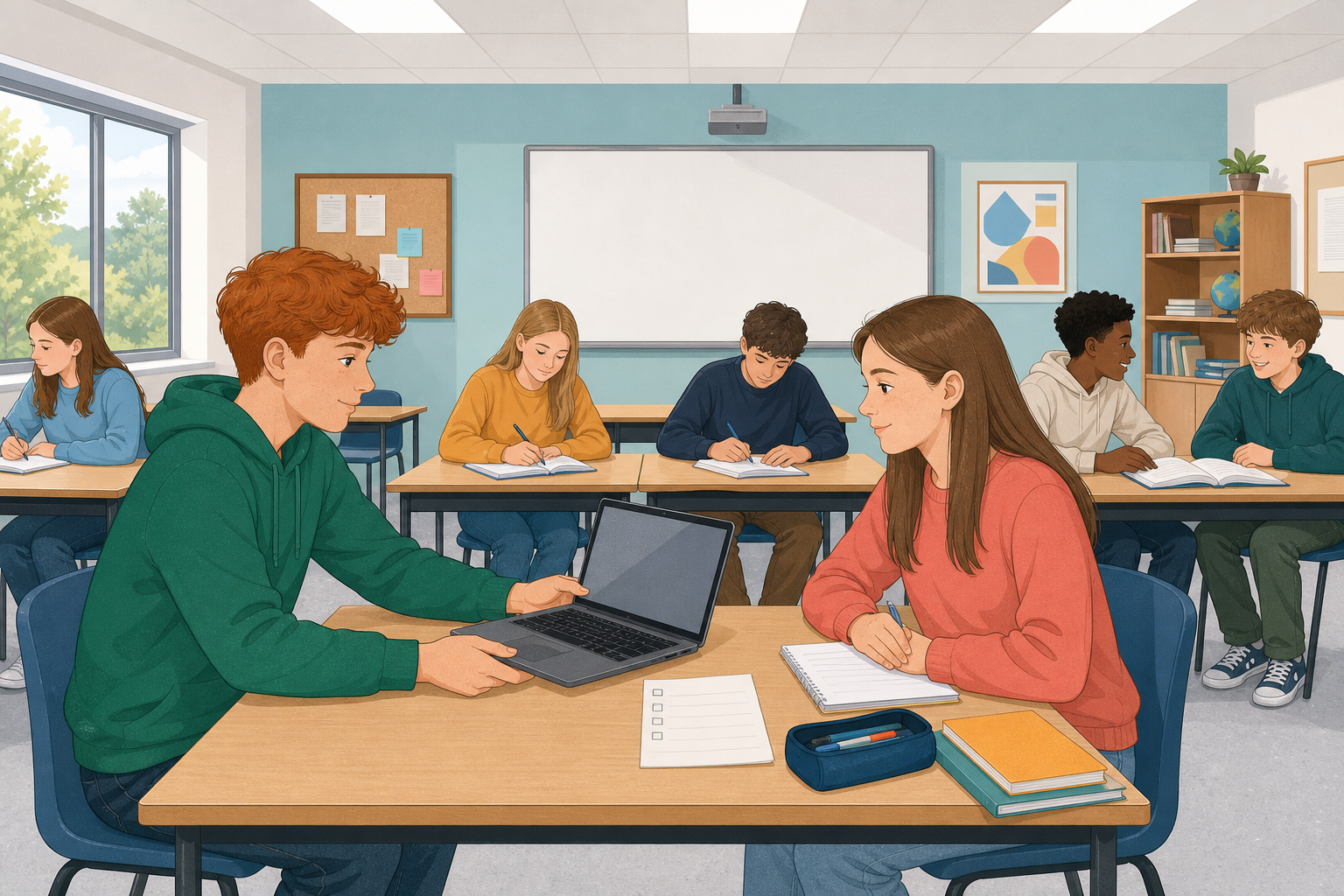
Swap drafts with your partner for a cold read. This means your partner looks at your draft with no help from you, to test whether it makes sense.
You each get about 4 minutes. Partner A reads first, and you swap roles when your teacher says so.
- Hand over your draft without explaining it.
- For video or audio, only watch or listen to the first 60 to 90 seconds.
- If you are the reader, look quietly first. Then tell your partner what you think the project is about, what point it is making and who it seems to be for.
- If you are the maker, listen without arguing, then note on your remaining-tasks list whether their answer matched what you meant.
- Then write one question for yourself about where they got lost or guessed wrong, so you know what to fix.
- Repeat with roles swapped, then save your list the class way.
Now come back together as a class. Did your partner describe a different topic, a different audience (who it is for) or a different purpose (what it is meant to do) from the one you meant? What will you change before referencing?
A cold read shows the gap between the project in your head and the project on the screen, so we fix that before packaging. Referencing and packaging come next, once your project makes sense on its own.
Unlock the full learning experience
You're previewing this lesson. Get full access to this lesson and hundreds more — each one ready to teach, with interactive activities, printable resources and pupil progress tracking built in.
This lesson is copyright of DigitalSkills.org 2017 - 2025. Unauthorised use, copying or distribution is not allowed.