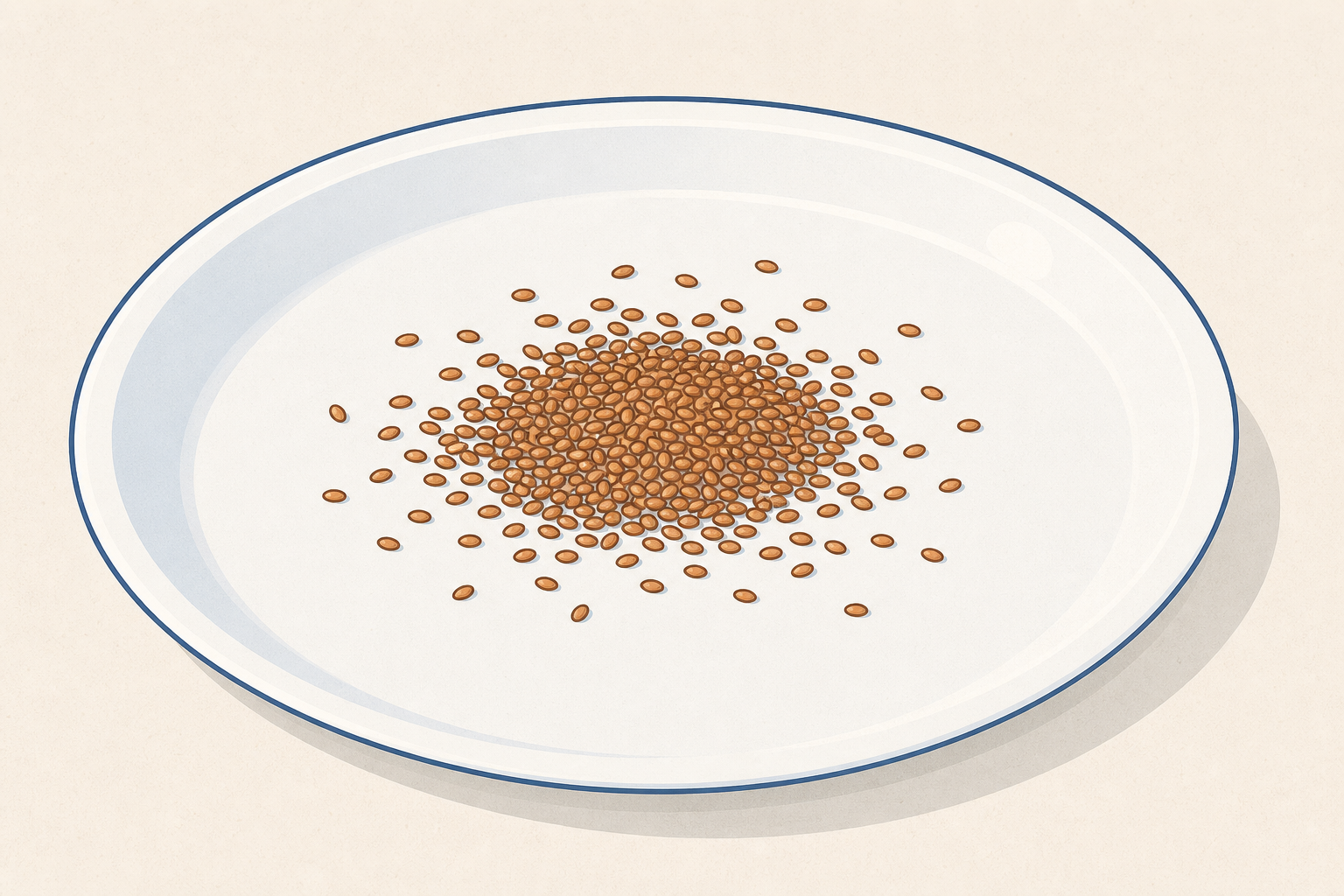
 Look at these dry seeds. What do you think they need before they can grow into healthy plants?
Hands up one idea. We will turn one of your ideas into a real test today.
We are going to run a fair test: change one thing, measure one thing, and keep the rest the same.
Soil and warmth matter too, but today every group will test either light or water so the class can compare fair results.
Your teacher will now think one whole test through out loud, using cress somewhere warm and cress somewhere cool, a test no group in this room will run. Listen for four things: the question, the prediction and the reason behind it, the one thing that changes, and the list of things that stay the same.
Listen too for how long the test takes. Plant tests are watched over days, so nothing will be decided this afternoon.
The thing we change is called the factor. Which factor will your group test: light, or water?
In your group, choose one factor to test: light or water.
Say your testable question out loud, then your prediction and why. Predictions are the start of the science, not a guess to get right.
 You will see six cards on the board: amount of light, amount of water, how healthy the seedlings look, type of seed, amount of soil or cotton wool, and how warm or cool it is.
We sort them together for a test nobody in this room is running: a warm place against a cool one. Watch where each card lands, because the shape is the same whatever you change.
Then your group plans its own test on the Investigation Journal page. One card goes into Change. Work out what that forces into Keep the same.
What do plants need to grow?
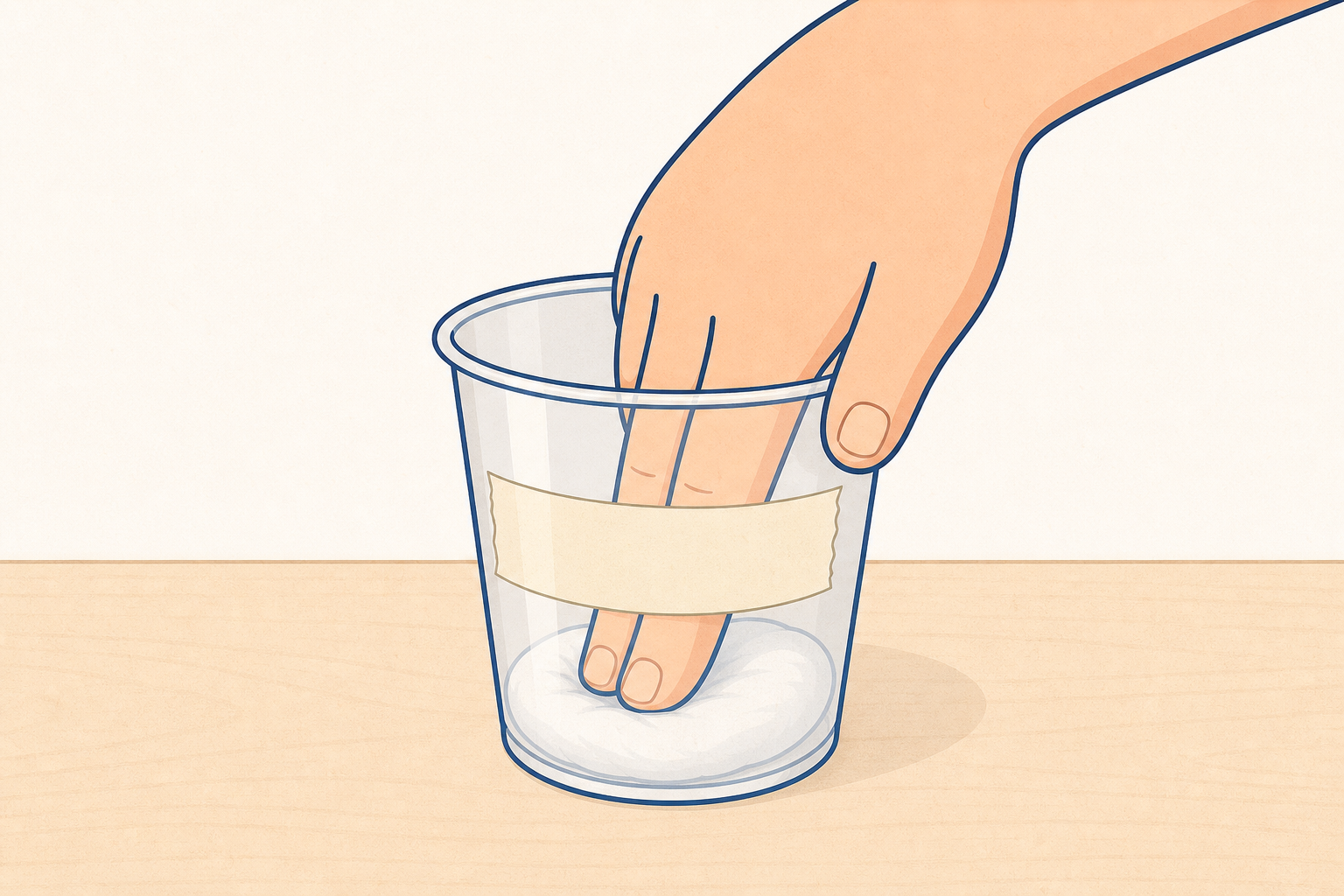
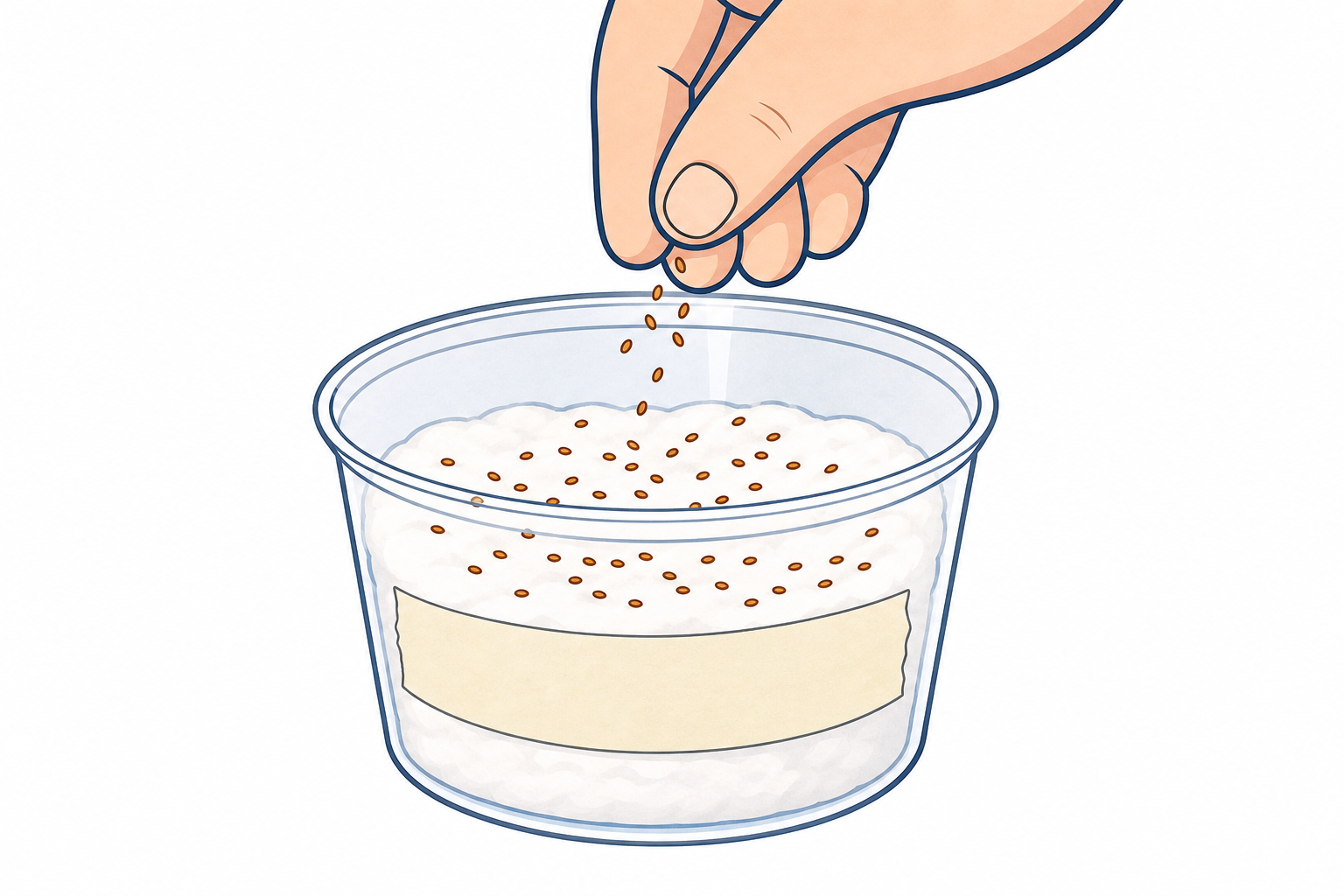
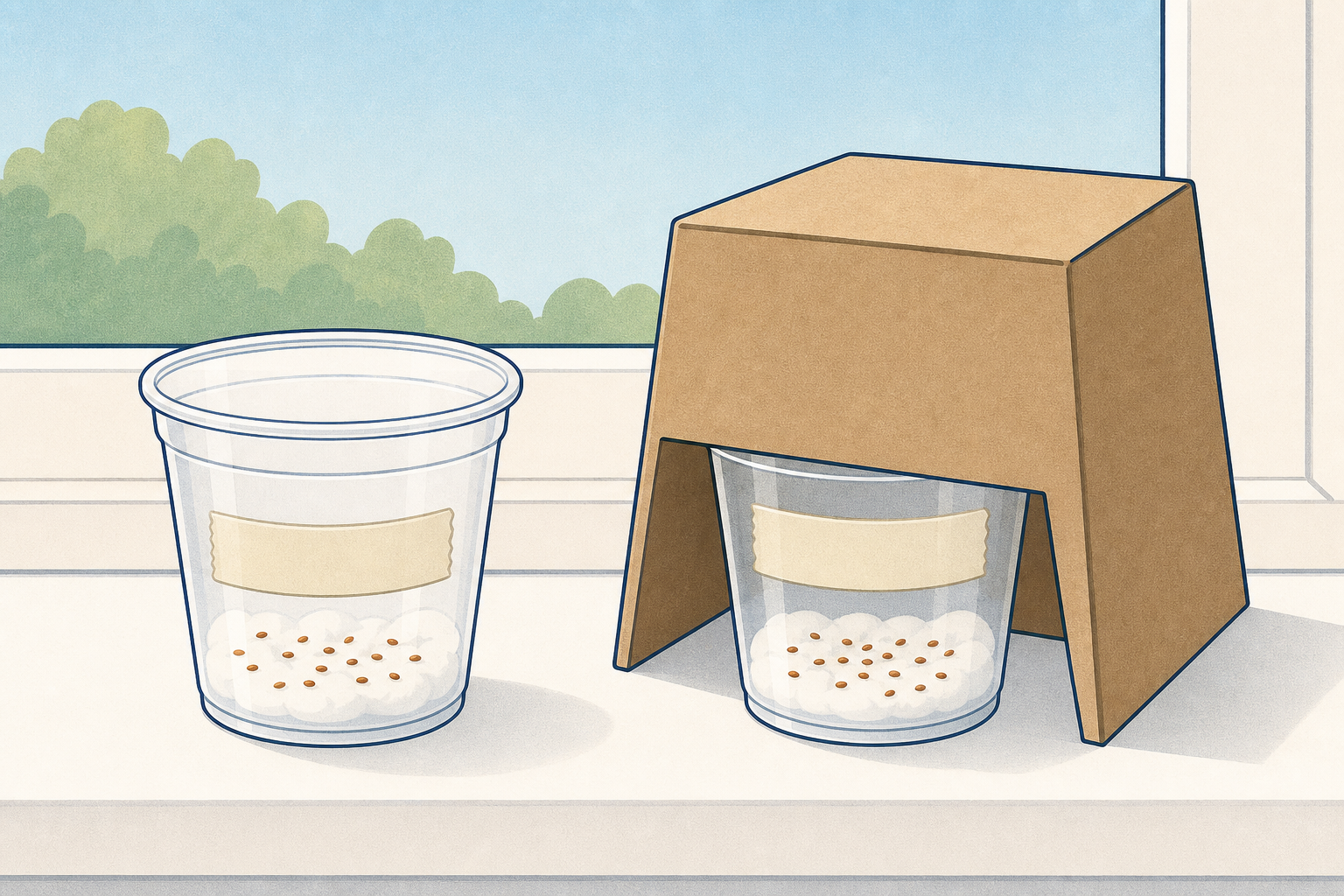 Before anyone moves, we agree the places together: bright windowsill for light cups, dark cover or cupboard for dark cups, and one shared sill for all water-test cups.
Watch one labelled pair set up at the front first, so everyone sees matching amounts and a clear single-factor change.
Now set up the test your group planned.
Use the same number of seeds and the same amount of cotton wool in each cup. Change only the one factor you chose. Label every cup clearly with your group name, the factor, and the condition (for example light or dark, full water or few drops).
Place your cups only in the places we just agreed.
Unlock the full learning experience
You're previewing this lesson. Get full access to this lesson and hundreds more — each one ready to teach, with interactive activities, printable resources and pupil progress tracking built in.
This lesson is copyright of DigitalSkills.org 2017 - 2025. Unauthorised use, copying or distribution is not allowed.