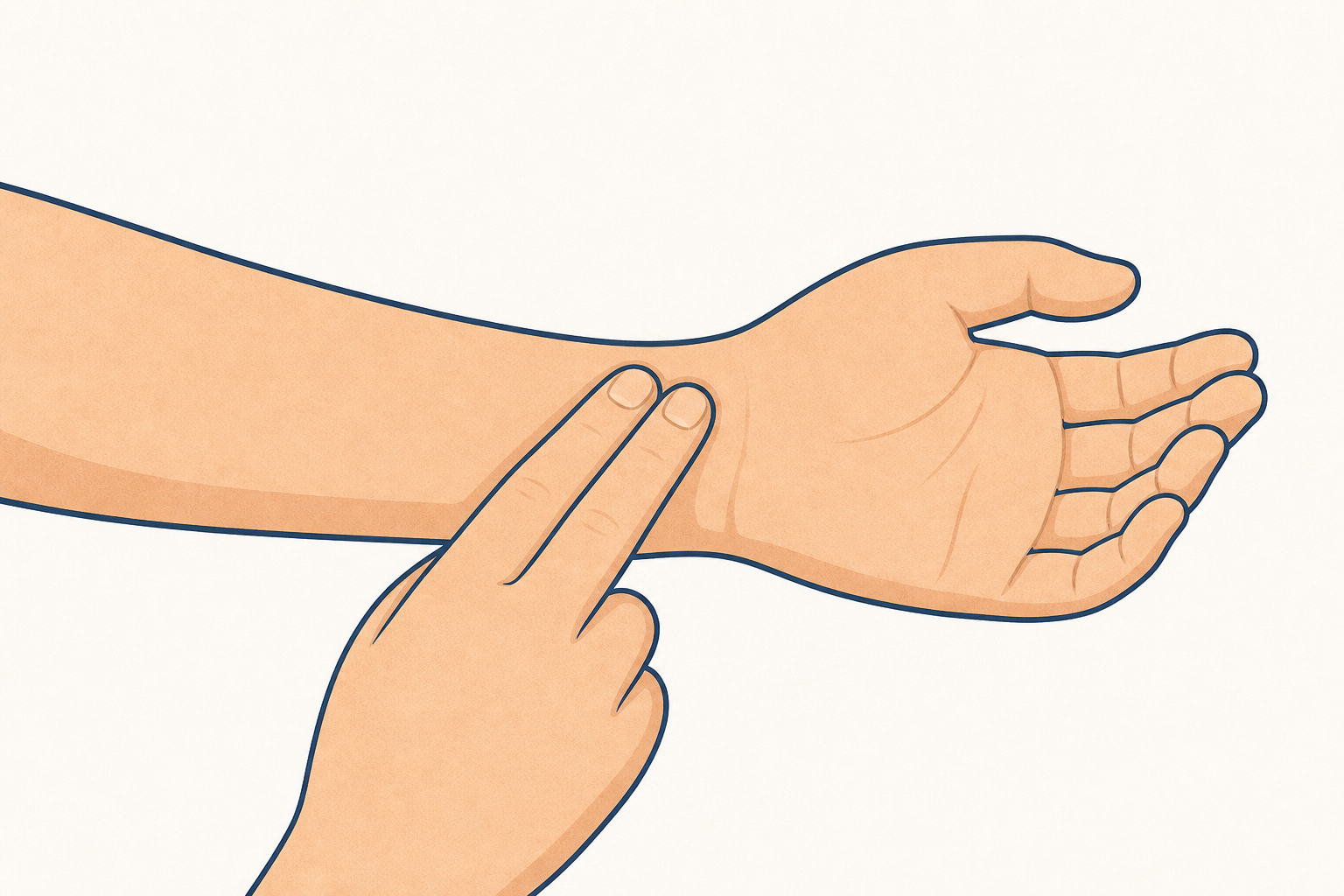
 Put two fingers gently on the side of your wrist. Can you feel a tiny beat under your skin?
That beat is your heart at work. Do you think it always beats at the same speed, or can something make it speed up?
Look at the body diagram on the board. Drag each label onto the organ you think it names.
Heart: the pump that pushes blood around the body. Pulse: the beat you feel when that blood is pushed through.
Where does the heart sit? Which two organs sit either side of it?
Where does the heart sit?
We know the heart is a pump. Now we will find out what makes it work harder.
In your group, choose two activities to compare with resting. Will you try walking on the spot, dancing, or running on the spot? Predict: which activity will make the pulse highest, and why?
Later we will share on a class chart with three labels: resting, gentler activity, and livelier activity. Your quieter choice (for example a walk) will sit under gentler activity. Your stronger choice (for example a dance or run on the spot) will sit under livelier activity.
You will find five cards waiting on the board: the activity, how fast the heart beats, the counting time, who we measure, and how long we exercise (one minute).
Call out where each card belongs. We change one thing, measure one thing, and keep the rest the same. Then fill in your Investigation Journal page for the test your group designed.
Plan our pulse investigation
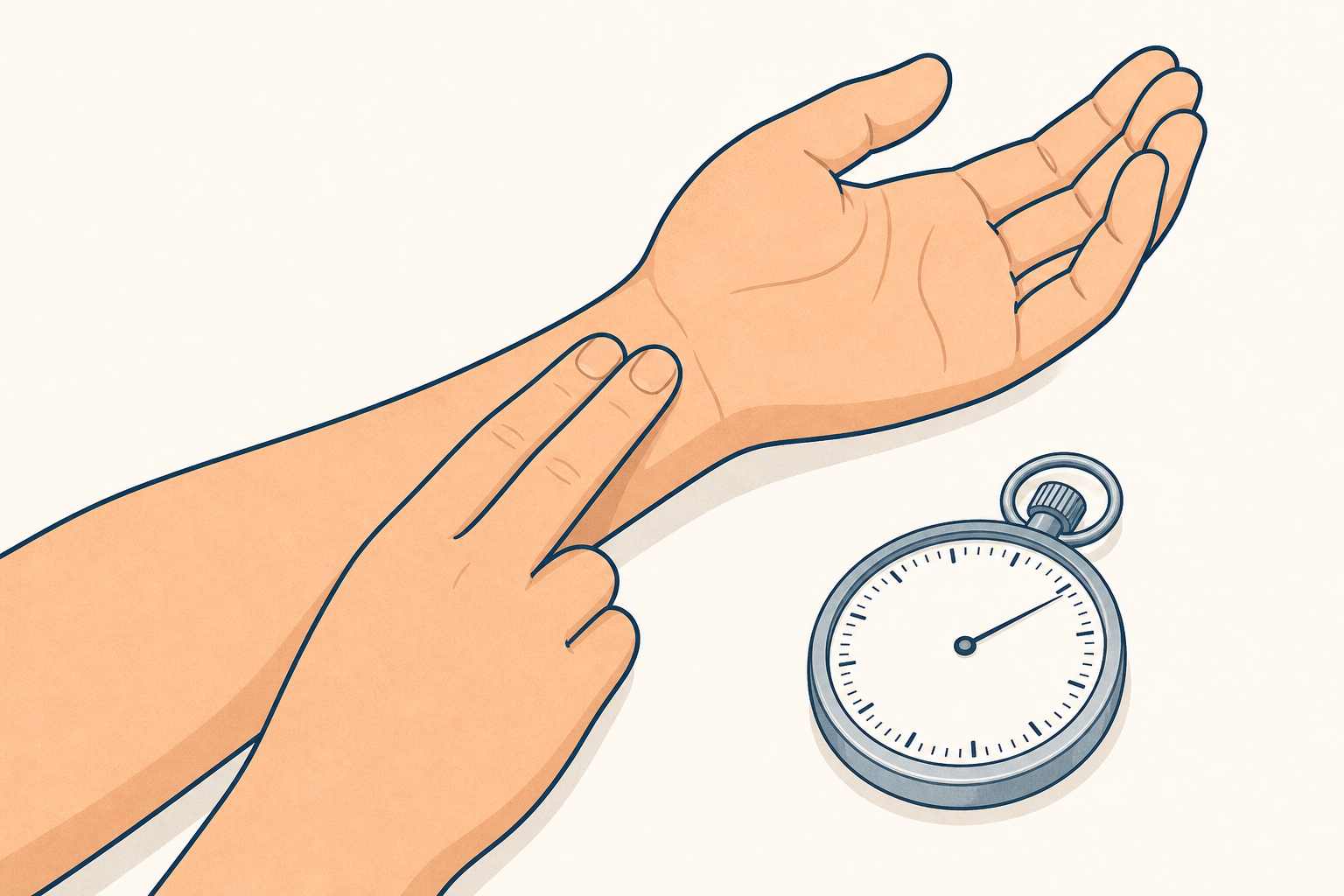 Keep your Investigation Journal page open: your plan and prediction are at the top, and your counts go in the table at the bottom.
Three jobs in each group: the person measured does the activity and finds their own pulse (two fingers on the wrist), the timekeeper times each 15-second count, and the recorder writes down each count.
Resting: sit still for one minute, then count beats for exactly 15 seconds. Do this three times.
Each activity: do it on the spot for one minute, then sit straight away and count for 15 seconds. Do the activity and the count three times.
Do resting first, then your gentler activity, then your livelier one. If you feel dizzy or unwell, stop and tell the teacher.
Unlock the full learning experience
You're previewing this lesson. Get full access to this lesson and hundreds more — each one ready to teach, with interactive activities, printable resources and pupil progress tracking built in.
This lesson is copyright of DigitalSkills.org 2017 - 2025. Unauthorised use, copying or distribution is not allowed.