 A raincoat has to keep the rain out. But if it kept everything out, you'd be soaked in sweat inside it!
Can one material be perfect at two jobs at once? What do you think?
Every engineer who has ever designed a coat, a bag or a lunchbox has stood exactly where you're standing today: there's no perfect material, so you have to choose cleverly.
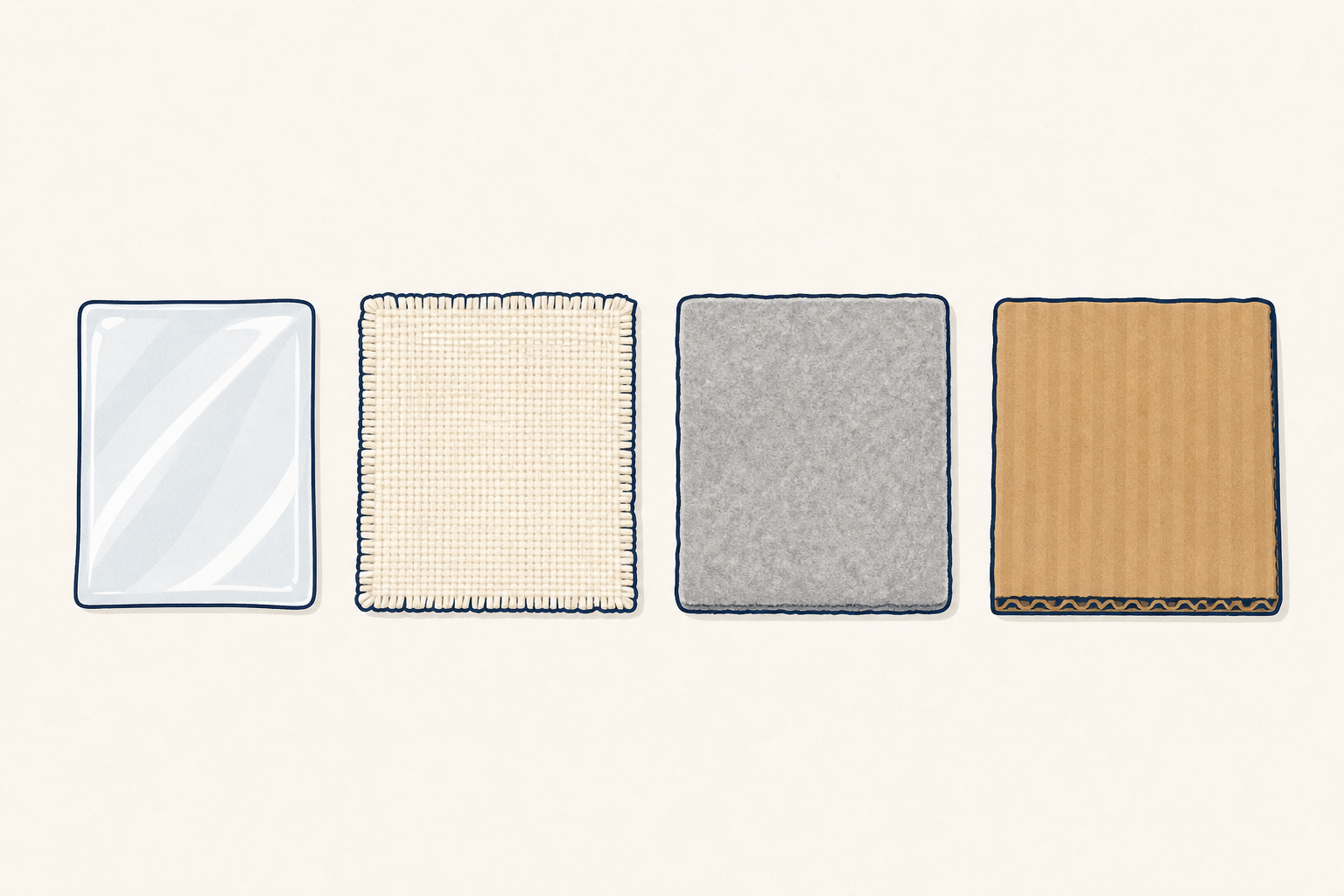 Today's words: property: something about a material we can test, like keeping water out or being light. Trade-off: getting more of one good property means giving up some of another.
Your group gets a card naming one everyday thing to design: a raincoat, a lunchbox or a school-bag strap. The card gives that object two jobs that pull against each other, and it shows you how to test each job. Which material is the best all-rounder for it?
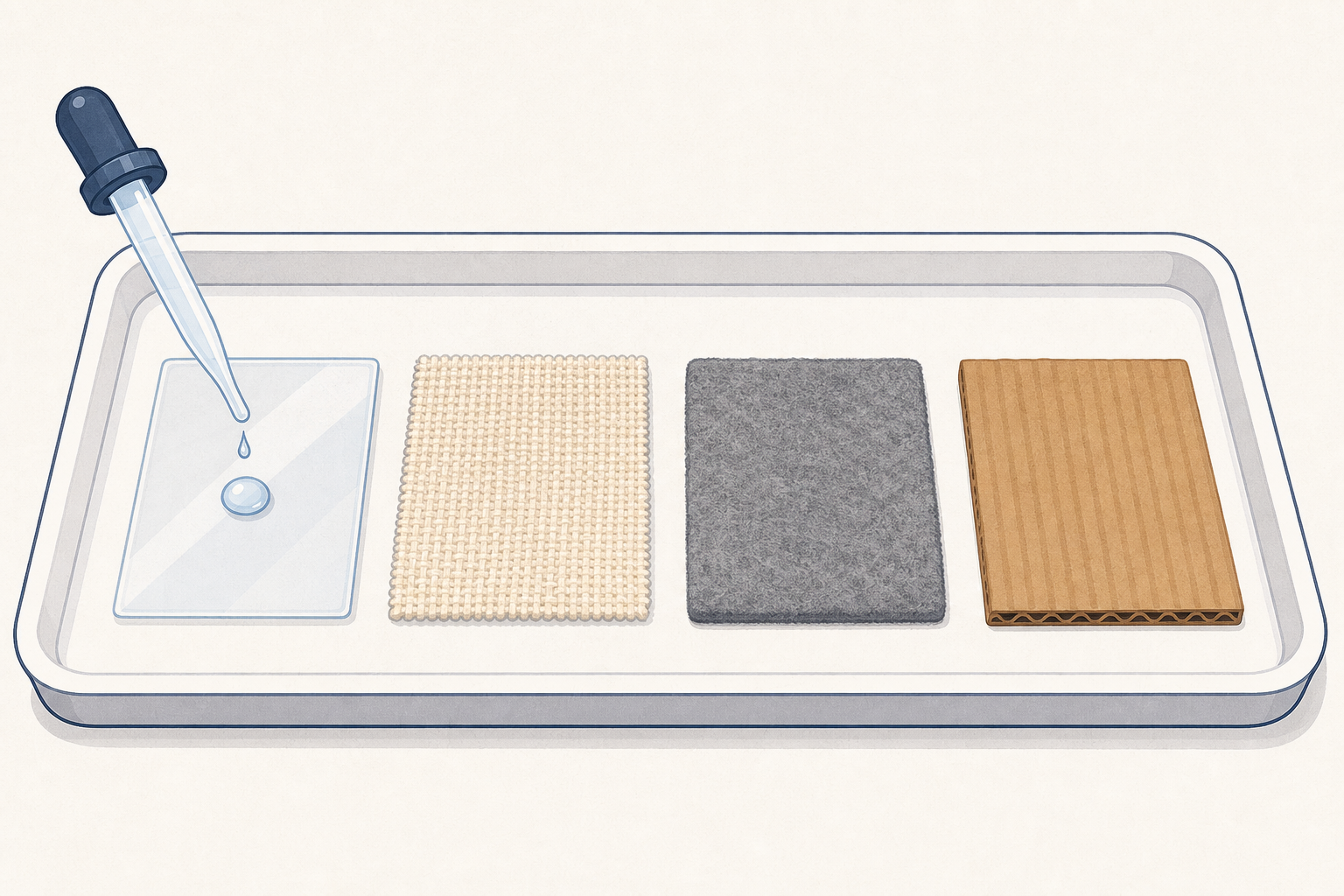
 Read your object brief card. It names your object's two jobs and shows you exactly how to test each one.
Test each material for BOTH of your object's jobs. Score each one out of 3 for each job.
Predict first: which material do you think will be best all-round for your object? Write your guess before you start.
 Keep your own scores on your Investigation Journal page for this bit. We will put one group's four materials and their two scores in the table below, and read it down the columns together.
Read down the two score columns. Does any material top both of them? What does the top scorer in one column do in the other?
Two scores for each material
Each group: name the material you recommend for your object, and say what you had to give up.
Listeners: challenge them! Ask what the losing material would have done better.
Unlock the full learning experience
You're previewing this lesson. Get full access to this lesson and hundreds more — each one ready to teach, with interactive activities, printable resources and pupil progress tracking built in.
This lesson is copyright of DigitalSkills.org 2017 - 2025. Unauthorised use, copying or distribution is not allowed.